
World Enviroment Day 2026
World Environment Day is a great opportunity to share an update on the conservation work at the Rare Breeds Centre, where we’re continuing to strengthen and enhance the wide range of habitats and biodiversity across the site. Summer often feels like it should offer a chance to pause and reflect after the intensity of winter woodland work—but in reality, it quickly brings its own busy rhythm.
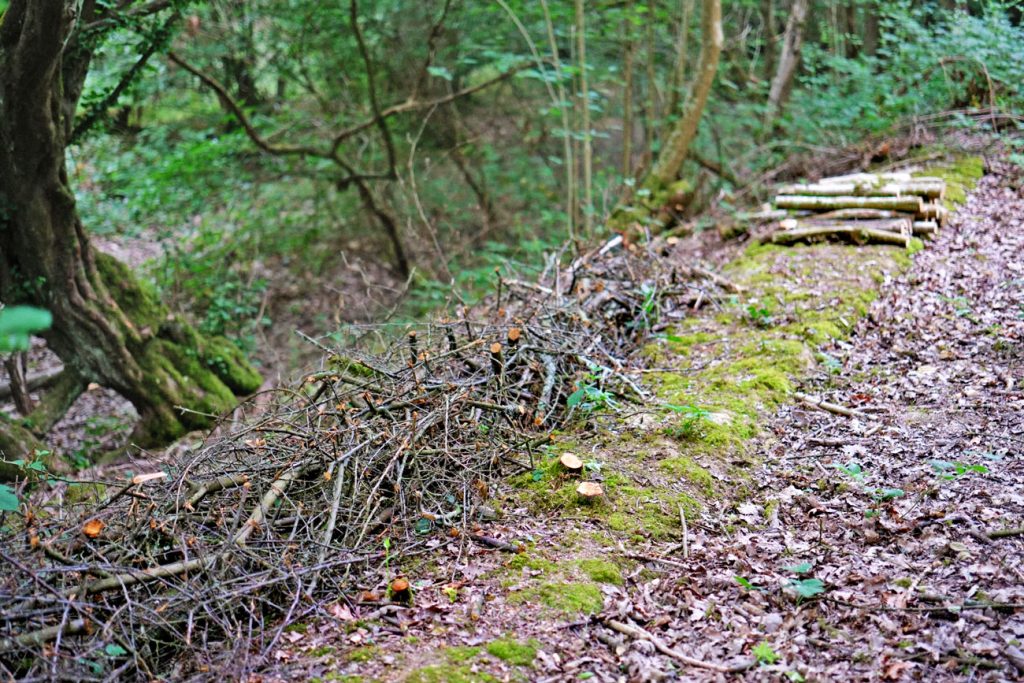
One of our biggest projects is the new 10-year woodland management plan, which is nearing submission to the Forestry Commission. Once approved, this will allow us to begin important coppicing and thinning work, helping to secure a healthy, resilient woodland for the future. In the meantime, we’ve already begun maintaining paths and rides, clearing small sections of fallen and dead trees. You may have noticed some of the small dead hedges we make along woodland paths as a means to organise the arisings (small logs and branches, to you and me) from this work. These hedges will slowly decay, releasing their carbon over a long period of time, and provide homes for all manner of bugs and creepy crawlies along the way. Birds love to make their nests in them, too. With bird nesting season underway, work is necessarily careful and limited, but these early steps will allow us to move quickly when full operations begin this winter.
When that work does get underway, please don’t be alarmed. Tree felling, when done correctly, is essential for woodland health. Without intervention, certain species can dominate, leading to reduced biodiversity. Managed work ensures a more balanced and diverse environment. If you notice areas that have been cleared, it’s worth revisiting them the following summer—you’ll often see a remarkable burst of new growth and a wider range of species emerging.
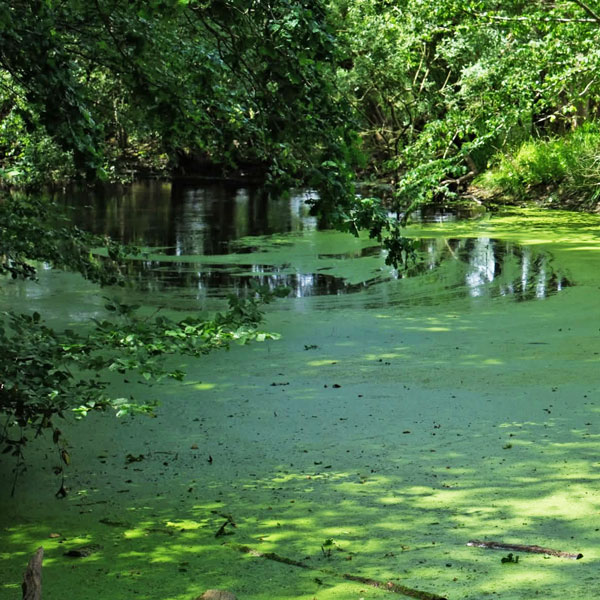
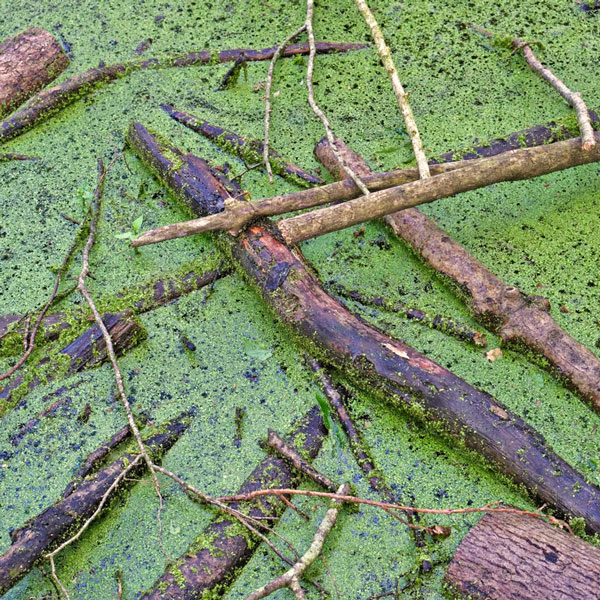
We’re also making progress on plans for pond restoration this winter, following a recent visit with the Kentish Stour Countryside Partnership. For now, smaller maintenance tasks are ongoing, like removing dead wood and branches from the pond edges, and during this work we ponder our thoughts and plan for the bigger tasks ahead. The top pond in Tinkers Wood, for example, is currently covered in duckweed—a sign of low oxygen levels caused by a build-up of organic matter, reduced sunlight, and limited plant diversity. Whereas there’s very little we can do about that in the short term, by selectively thinning the surrounding trees and removing some of the accumulated silt and leaf matter this winter, we’ll improve conditions and encourage a more balanced and thriving pond ecosystem in the coming years.
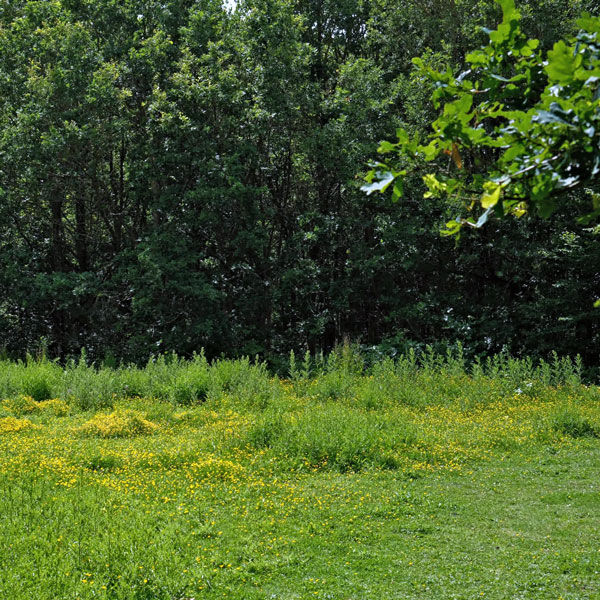
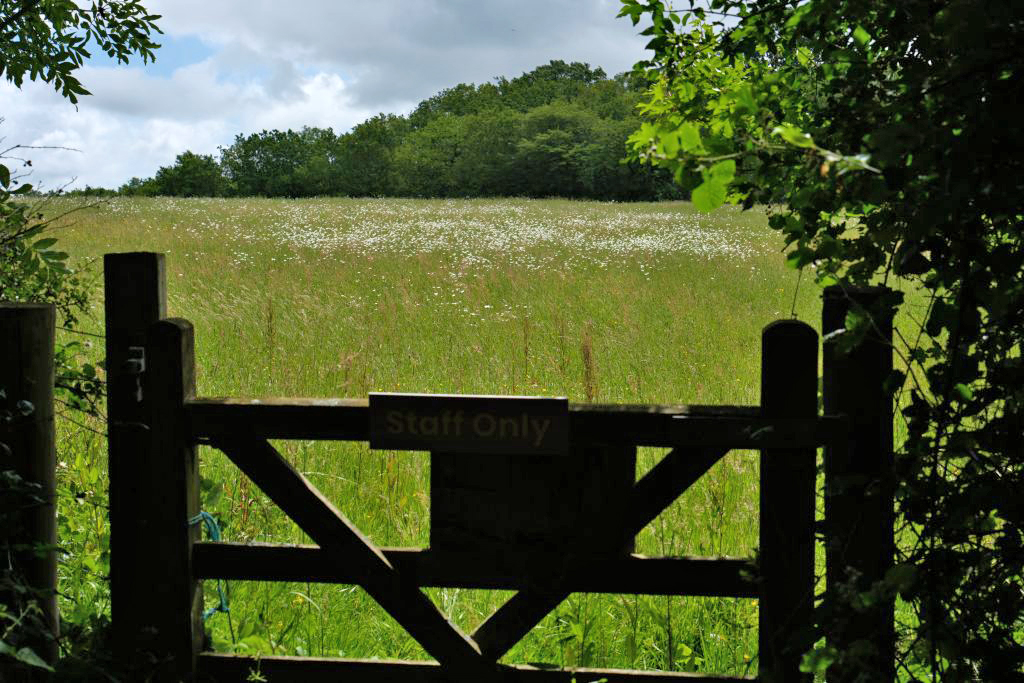
In Parsley Meadow, a new gate will soon reopen access, allowing visitors to once again walk through and enjoy the wildflowers, which are now coming into full bloom. As this is my first full summer managing the meadow, the current approach is to observe how it develops following light grazing introduced for a short time last autumn. Already, species such as oxeye daisies, bird’s-foot trefoil, and buttercups are flourishing, but that’s just the tip of the iceberg. Watching how the meadow evolves through the season will help shape a longer-term management plan that supports a rich and varied habitat for insects, birds, and other wildlife.
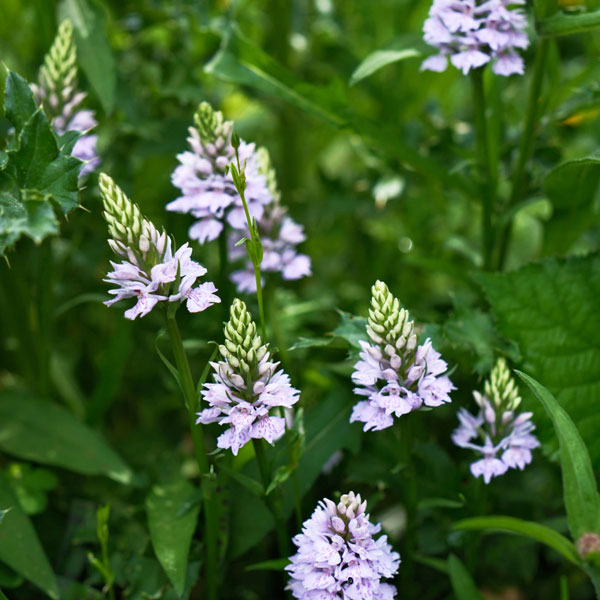
Finally, you may have noticed that some of the litter bins in the woods have been removed. While it might seem counterintuitive, this helps reduce litter, as bins in natural areas are often disturbed by animals, spreading rubbish into the surrounding environment. So far, the results have been very positive, with noticeably less litter in the woodland. It also makes for a much nicer experience; after all, it’s far better to focus on the common spotted orchids you may spot in the woods than a little bin, wouldn’t you agree? You can help us continue this positive change by taking any rubbish home with you and encouraging others to do the same.
Thank you, as always, for your support in helping us care for and protect this special place. Find out more about our conservations efforts. There are also opportunities to volunteer if you’d like to help!

By Mark Langridge – Conservation and Enviroment Officer
Why not take part in No-Mow May this year?
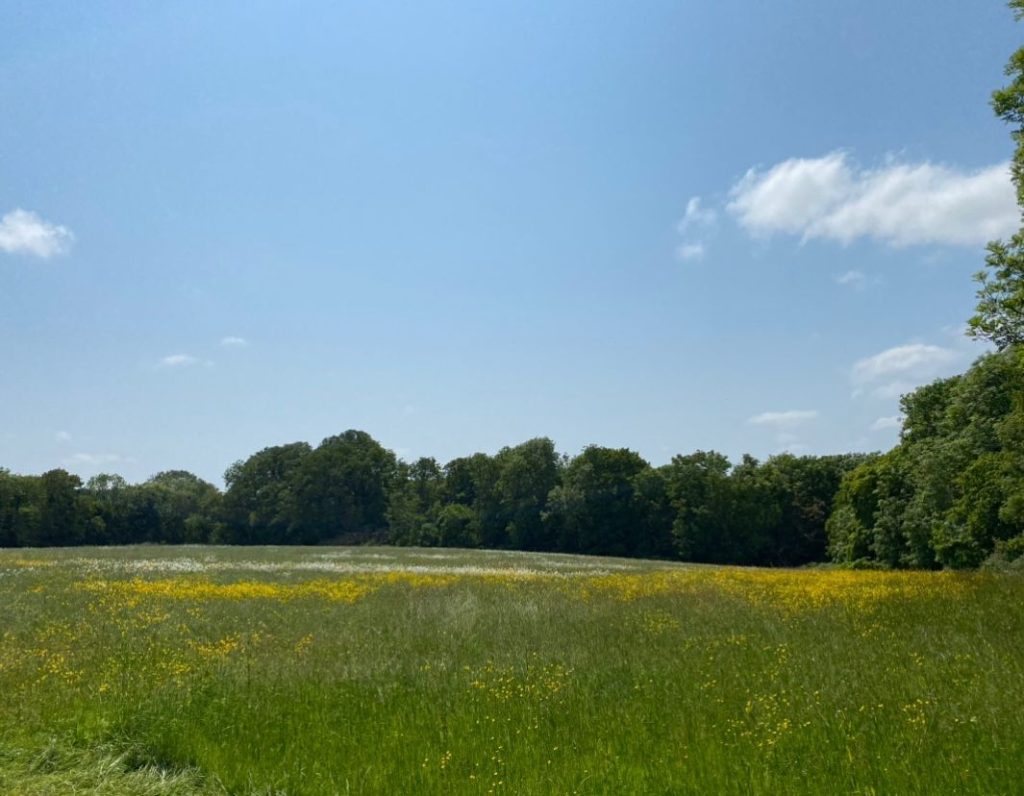
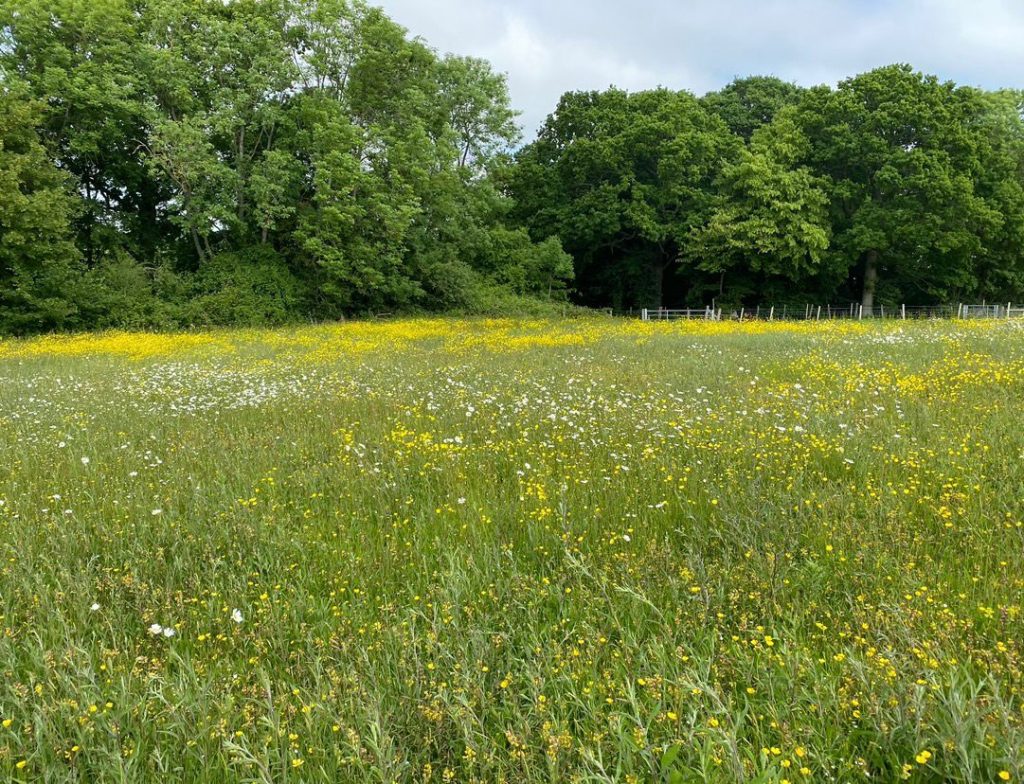
At this time of year, Parsley Meadow at Rare Breeds Centre begins to offer a glimpse of what nature can achieve when we simply step back. Its swaying grasses, flowering patches, and quiet hum of pollinators are a prime example of “less is more”. Want to join in? You can, by taking part in No-Mow May. By pausing our mowers and allowing wild plants to thrive, we create vital habitat for bees, butterflies, and countless other species that depend on early‑season blooms. Parsley Meadow demonstrates that when we let nature lead, biodiversity returns, resilience grows, and our landscapes become richer for everyone.
Letting nature breathe: Why No‑Mow May is worth a try
As soon as spring arrives, most of us feel that familiar twitch to get the lawnmower out and tidy things up. But what if, just for one month, we held off a bit? What if we let the grass grow, let the flowers appear, and actually enjoyed a little natural freedom in the garden?
That’s what No‑Mow May is all about — a simple pause that gives bees, butterflies, and all sorts of tiny garden visitors a much‑needed boost after winter.
It’s a small change with a big impact
Skipping the mow for a few weeks might feel a bit rebellious, especially if you’re used to keeping things neat and tidy. But here’s the thing: those “weeds” that pop up — clover, daisies, dandelions — are basically a five‑star buffet for pollinators just waking up after the colder months.
You’re not ignoring your garden.
You’re helping it help wildlife.
And it honestly feels good to know that doing less can do so much more for the creatures that keep our ecosystems ticking.
Rewilding doesn’t mean letting Eeverything go wild
A common worry is that skipping the mow will leave your garden looking messy. But it doesn’t have to! If you approach it with a tiny bit of intention, a wilder lawn can still look cared‑for — even stylish.
A couple of simple tricks can make a world of difference:
- Keep a clean edge trim around paths or borders
- Put a small sign or marker saying you’re taking part in No‑Mow May
- Let one section grow, not the whole lawn
- Mow paths through the long grass to make it look purposeful
When you do these things, it stops looking like neglect and starts looking like a deliberate choice — which it is. A “managed messy” garden can actually look really charming.
A chance to slow down and notice more
One lovely thing about No‑Mow May is how it changes the way you interact with your garden. You start noticing things — tiny beetles, hoverflies, bees drifting from flower to flower, new birds popping in to check out the buffet.
When the lawn isn’t a perfectly trimmed carpet, it becomes a stage for all sorts of little wonders.
Why not keep a small wild corner all year?
If you find the wild look surprisingly beautiful in May, consider keeping a small patch like that all year round.
It doesn’t have to be huge — even a little corner behind the shed or a strip by the fence can become a permanent safe space for insects and other wildlife. It’s amazing how much life can fit into such a small area.
And because it’s just one patch, with tidy edges or paths around it, it still looks intentional — like you’re balancing order and nature, which is exactly what you’re doing.
Your garden, your choice — and your legacy
Taking part in No‑Mow May is a gentle way of saying:
“I want my garden to make a difference.”
It’s incredible how one small month-long decision can create space for so much life — and how good it feels to be part of that.
And when may ends…
You can mow again if you want. Or keep a wild patch. Or plant a few more pollinator‑friendly flowers. No‑Mow May isn’t a rulebook — it’s more like a friendly suggestion.
A reminder that sometimes the best thing we can do is simply step back… and let nature do her thing.
To find out more about our conservation work at the Rare Breeds Centre and Poulton Wood, click the button below.