
Wildlife Conservation Day 2025
Happy Wildlife Conservation Day! We caught up with Mark, our Conservation and Environment Officer, to hear about the exciting wildlife conservation projects he’s working on now and what he has planned for the future.
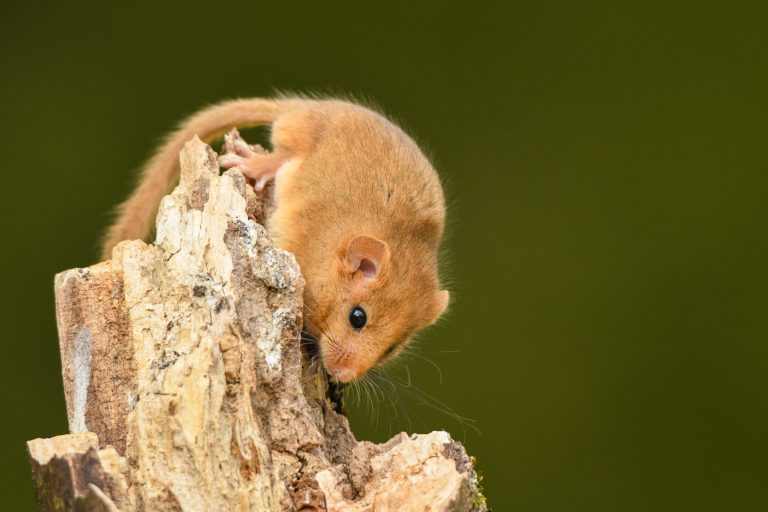
An important part of our Woodland Management Plan we are working on now will be its provision for one of our many species of furry friend we have at Rare Breeds Centre – the Hazel Dormouse. The name is a little misleading, as the important European Protected Species doesn’t rely specifically on hazel trees too much, but it comes from the fact the structure of hazel woodland that is coppiced on a relatively short rotation often makes for their ideal habitat.
When hazel is coppiced, which means to harvest it and encourage healthy new growth, more light is allowed to reach the woodland floor, and a diverse mosaic of trees, flowering plants, grasses and brambles springs to life. Throw a few native small trees into the mix, like the blackthorn, dogwood, field maple, guelder rose and spindle that thrive in many a Kent hedgerow, and you have a scrubby hotchpotch with plenty of the nuts, seeds, berries, flowers and insects that dormice love to eat. The important things here are plenty of cover and plenty of food.
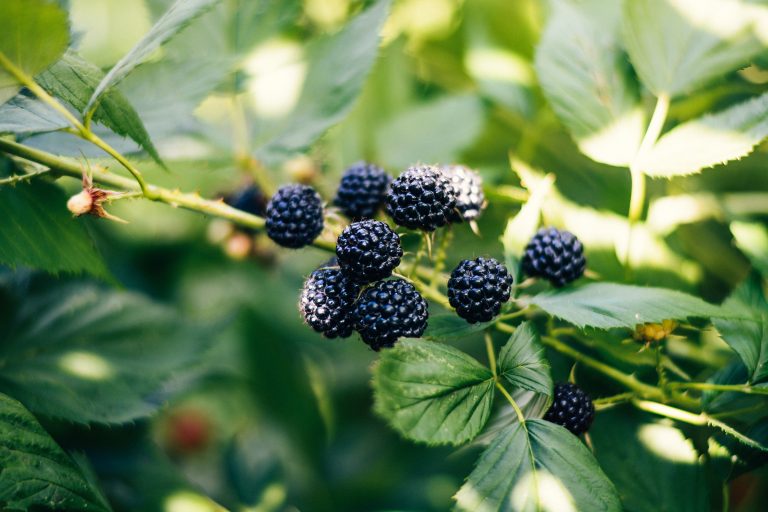
It should then come as no surprise that dormice also love hedgerows, as the structure of these is very similar to coppiced woodland in many ways. A nice wide pathway or woodland glade also make for great dormouse habitat. The key to improving our dormouse population is to ensure we have plenty of all these habitats, and most importantly they all need to be joined up; connectivity is key. The reduction in traditional long-term woodland and hedgerow management is one of the main reasons why dormouse numbers in the UK have fallen by more than half over the last 15 years. We need to put this right!
On a walk-around with our resident dormouse expert towards the end of last summer I was encouraged to hear there is great potential for us to improve our dormouse numbers here at Rare Breeds Centre. Many aspects of our Woodland Management Plan that we hope we will have in place around this time next year, such as woodland thinning and traditional practices such as hedge laying, will in themselves be beneficial for dormice. If we go out of our way to ensure these things are all linked together in a dormouse-friendly way, with additional habitat creation thrown into the mix as well, then things look very promising. On that note, I’ll be planting a few native hedgerow trees this week, all the time daydreaming about how they may one day make a suitable home for some of our precious dormouse residents.
It’s World Wildlife Conservation Day!
Wildlife and conservation news from the farm
The Rare Breeds Centre is primarily a farm attraction, however, with 100 acres of woodland, wildflower meadows and ponds, there is much more wildlife at our site than our visitors may realise. So, we asked our conservation officer to provide an update in celebration of World Wildlife Conservation Day!
As we approach winter, much is changing in the wild world, as the weather drops, and daylight closes in. Winter berries are appearing onsite, such as hawthorn, blackthorn, spindle and holly, which birds and mice will rely on in their search for protein-rich foods. Many animals will be growing their thick winter coats ready for the changing weather on our site – these animals prepared for the cold include badgers and polecats.
Getting ready for hibernation
It is time for the Kent Mammal Group to clean and close our dormouse boxes for the winter, as dormice head to the understory to hibernate under leaves and log piles. Other animals hibernating on our site include bats, such as the Daubenton’s bat and soprano pipistrelle which have previously been found on the site. Toads, frogs, great crested newts, smooth and palmate newts are all hibernating underneath rocks, in cracks and below the frost lines until spring; some great crested newts will even hibernate in the pond if conditions are perfect. Grass snakes, adders, lizards and slowworms will also join in the winter hibernation. Most butterflies and moths will also enter a dormant phase in the cold weather, similarly, the Butterfly Tunnel on our site is also shut down for the winter as they struggle to survive in the cold temperatures.
Bumblebee news
The Bumblebee Conservation Group have concluded their BeeWalks for the year, as the colonies die, and the new queens hibernate beneath the ground, ready to emerge next year and create a new colony. The BeeWalks occur once a month from March to October, when bumblebee activity is at its highest. Despite an overall decline in the UK bumblebee population, the Rare Breeds Centre site has still hosted a wide variety of species this summer, including Buff tailed bumblebees, Common carders, and the rare, Ruderal.
Fungus is among us!
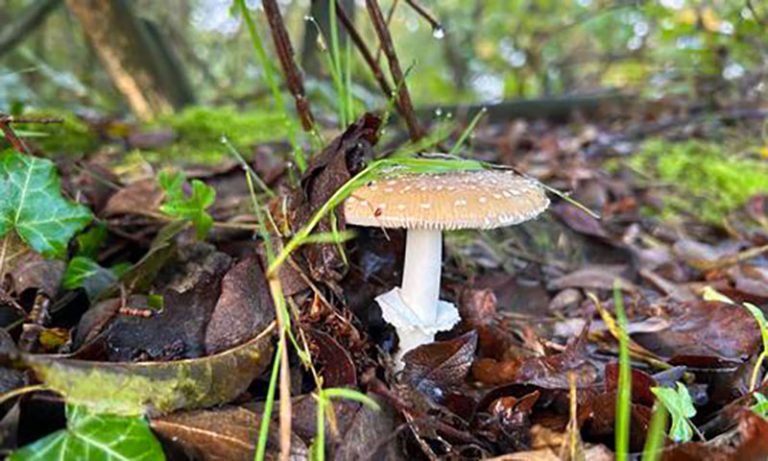
All the autumn rain brought huge influxes of mushrooms of all kinds, from Turkey tails and Jelly ears to Sulphur tufts and Amanita. As we say goodbye to autumn and the winter rolls in, most fungi stop producing mushrooms but are very much still alive below the ground. The rain has also meant that ponds have filled back up, and streams around the site are flowing again after drying out in the summer months.
Preserving habitats
Winter is a great time of year to top up dead hedges after cutting back and clearing branches from the woodland floor. Hedges can be trimmed now that nesting season is over, and leaves swept from paths to prevent animals hibernating in areas where they may be harmed. The ground conditions in the woodlands will vary greatly over the winter months, with hard ground in the frosts, and much softer ground and mud when the frosts melt. Habitats will be carefully maintained and managed to ensure successful hibernation for our resident wildlife, and to ensure a suitable environment for emerging in spring.
If you visit the Rare Breeds Centre in the winter months and venture to the woodlands, be sure to be mindful of log piles and fallen leaves and keep an eye out for animals feeding on winter berries and sheltering from the wind.
Learn more about conservation on the farm
We work on conservation projects across the Rare Breeds Centre and Poulton Wood year-round.