
Wildlife Conservation Day 2025
Happy Wildlife Conservation Day! We caught up with Mark, our Conservation and Environment Officer, to hear about the exciting wildlife conservation projects he’s working on now and what he has planned for the future.
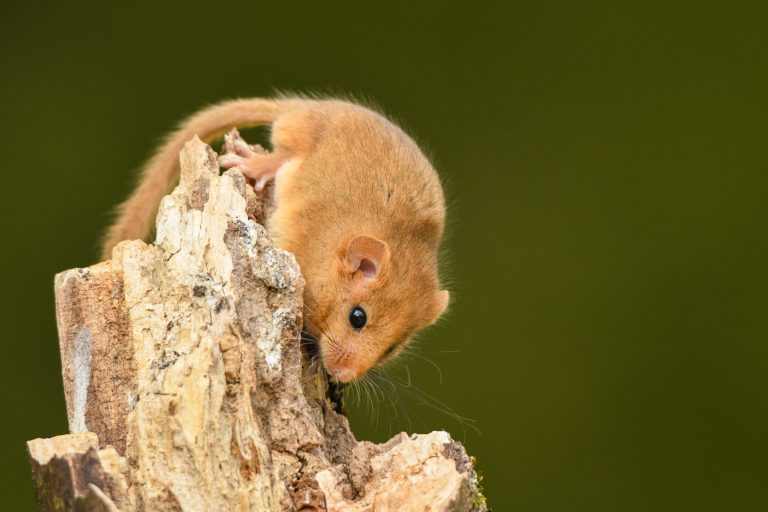
An important part of our Woodland Management Plan we are working on now will be its provision for one of our many species of furry friend we have at Rare Breeds Centre – the Hazel Dormouse. The name is a little misleading, as the important European Protected Species doesn’t rely specifically on hazel trees too much, but it comes from the fact the structure of hazel woodland that is coppiced on a relatively short rotation often makes for their ideal habitat.
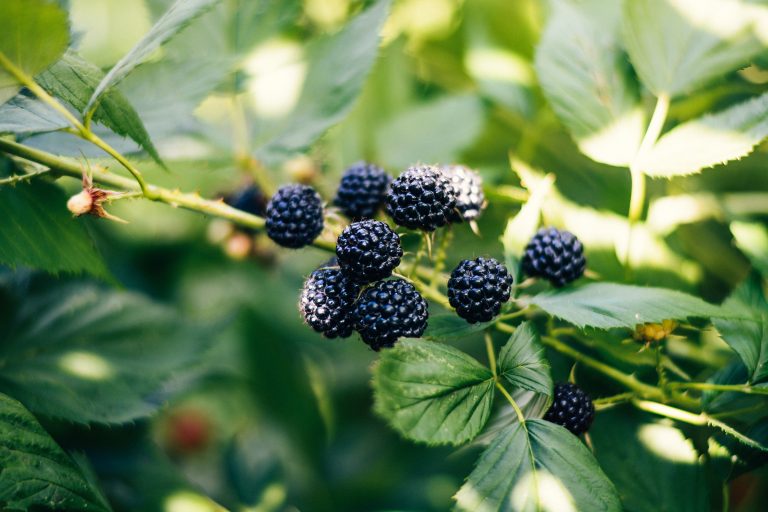
When hazel is coppiced, which means to harvest it and encourage healthy new growth, more light is allowed to reach the woodland floor, and a diverse mosaic of trees, flowering plants, grasses and brambles springs to life. Throw a few native small trees into the mix, like the blackthorn, dogwood, field maple, guelder rose and spindle that thrive in many a Kent hedgerow, and you have a scrubby hotchpotch with plenty of the nuts, seeds, berries, flowers and insects that dormice love to eat. The important things here are plenty of cover and plenty of food.
It should then come as no surprise that dormice also love hedgerows, as the structure of these is very similar to coppiced woodland in many ways. A nice wide pathway or woodland glade also make for great dormouse habitat. The key to improving our dormouse population is to ensure we have plenty of all these habitats, and most importantly they all need to be joined up; connectivity is key. The reduction in traditional long-term woodland and hedgerow management is one of the main reasons why dormouse numbers in the UK have fallen by more than half over the last 15 years. We need to put this right!
On a walk-around with our resident dormouse expert towards the end of last summer I was encouraged to hear there is great potential for us to improve our dormouse numbers here at Rare Breeds Centre. Many aspects of our Woodland Management Plan that we hope we will have in place around this time next year, such as woodland thinning and traditional practices such as hedge laying, will in themselves be beneficial for dormice. If we go out of our way to ensure these things are all linked together in a dormouse-friendly way, with additional habitat creation thrown into the mix as well, then things look very promising. On that note, I’ll be planting a few native hedgerow trees this week, all the time daydreaming about how they may one day make a suitable home for some of our precious dormouse residents.
World Nature Conservation Day!
Today, 28th July, marks World Nature Conservation Day, a day dedicated to raising awareness about the vital importance of protecting our natural resources and preserving the environment for future generations.
We’re excited to welcome our new Environmental Conservation Officer, Mark, who joined the Rare Breeds team last week. Below, Mark shares insights into his role, his passion for the environment, and his hopes for the future of conservation on the farm.
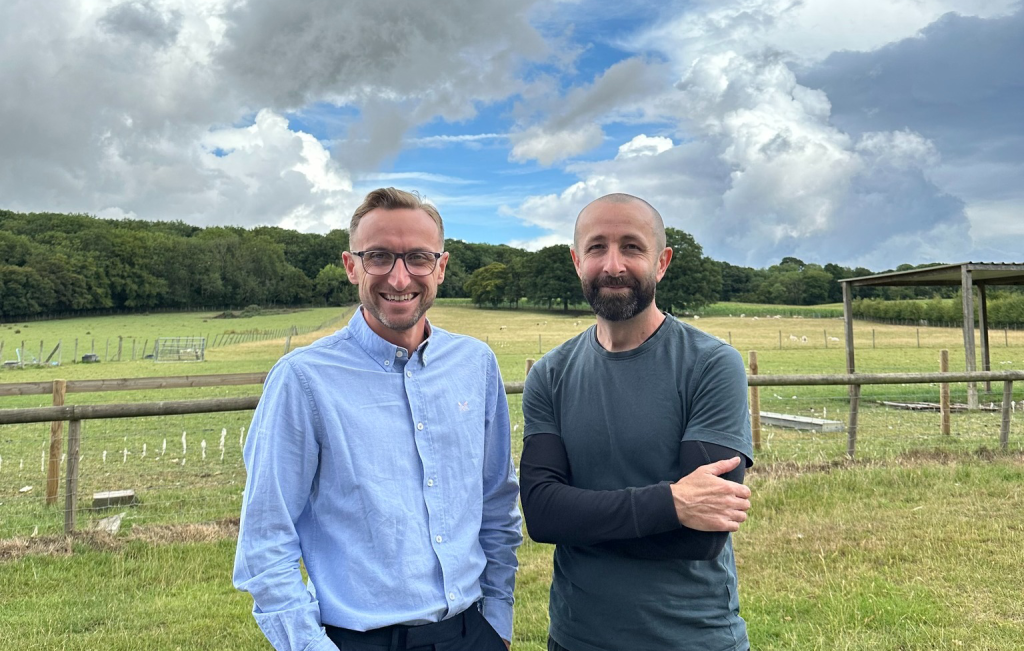
Mark, right with Howard, our Director of Commercial Operations
Mark’s ethos
As Environmental Conservation Officer at Rare Breeds Centre I am responsible for managing and improving the biodiversity of the woodland, wildflower meadow and ponds at Highlands Farm. My background in forestry, primarily working sweet chestnut and hornbeam coppice in semi-natural ancient woodland in Kent, and relying on traditional methods such as using heavy horses for timber extraction, has laid the foundations for my woodland ethos that now guides my approach in all the management and conservation work I do.
Managing woodlands
The demand for the woodland products that gave rise to the managed woodlands we are surrounded by in Kent has waned over the last couple of hundred years or so, meaning many woodlands have been neglected and are now in poor condition. If these woodlands are managed in a similar way to in the past, which means the maintenance of open rides and pathways, the periodic felling of coppice and the thinning of new plantations, then the increased light levels and resulting regrowth are what drive the biodiversity gains we are after. For it to be a truly effective and holistic approach then we need to find uses for absolutely all the product as well. Specifically, here, the wood and any cut hay. Conservation for the sake of conservation will only get us so far.
A holistic approach
All the work we do here at Rare Breeds Centre needs to subscribe to this holistic ethos of informed management, minimal damage, zero waste and disciplined and timely interventions. This will result in a sustainable and biodiverse landscape that can be enjoyed by everyone who visits the farm and surrounding countryside, because a healthy and biodiverse landscape is a beautiful one. Ultimately, it’s about simply having a kind and considerate relationship with the natural landscape that surrounds us.”
Learn more about Conservation around the trust. Our conservation projects involve a great deal of dedicated work. If you’re interested in sponsoring one, learn more here.