
Why not take part in No-Mow May this year?
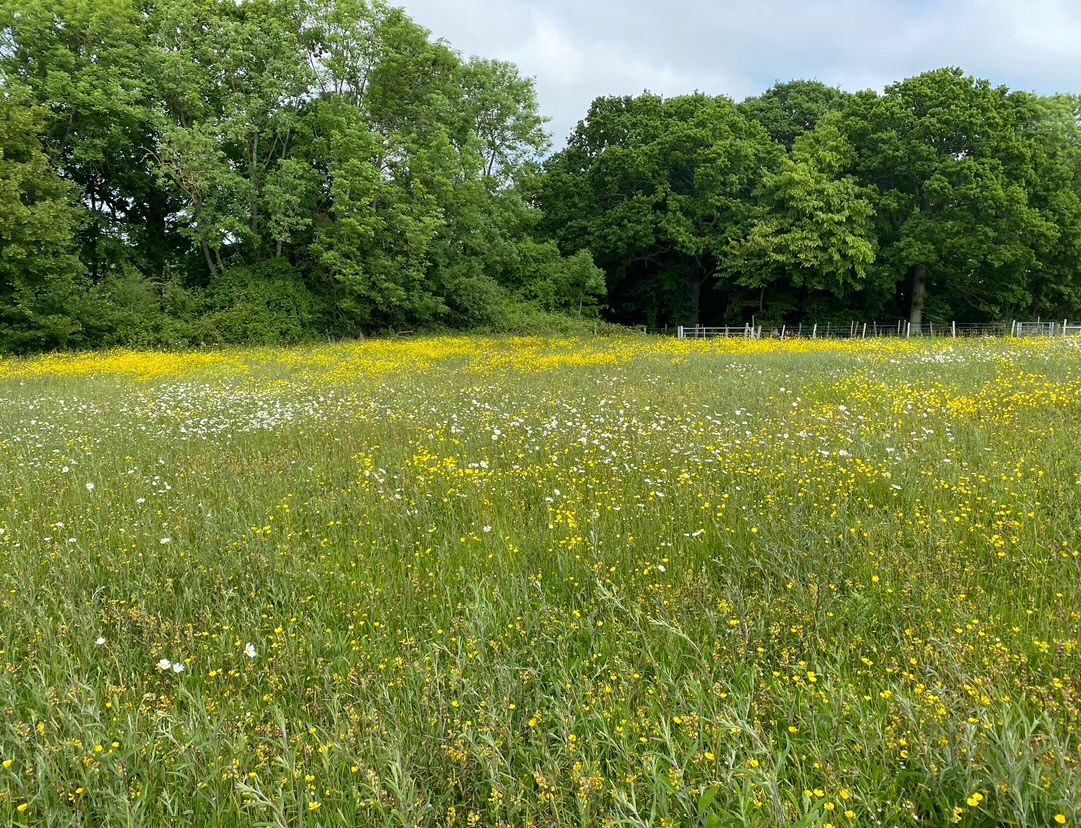
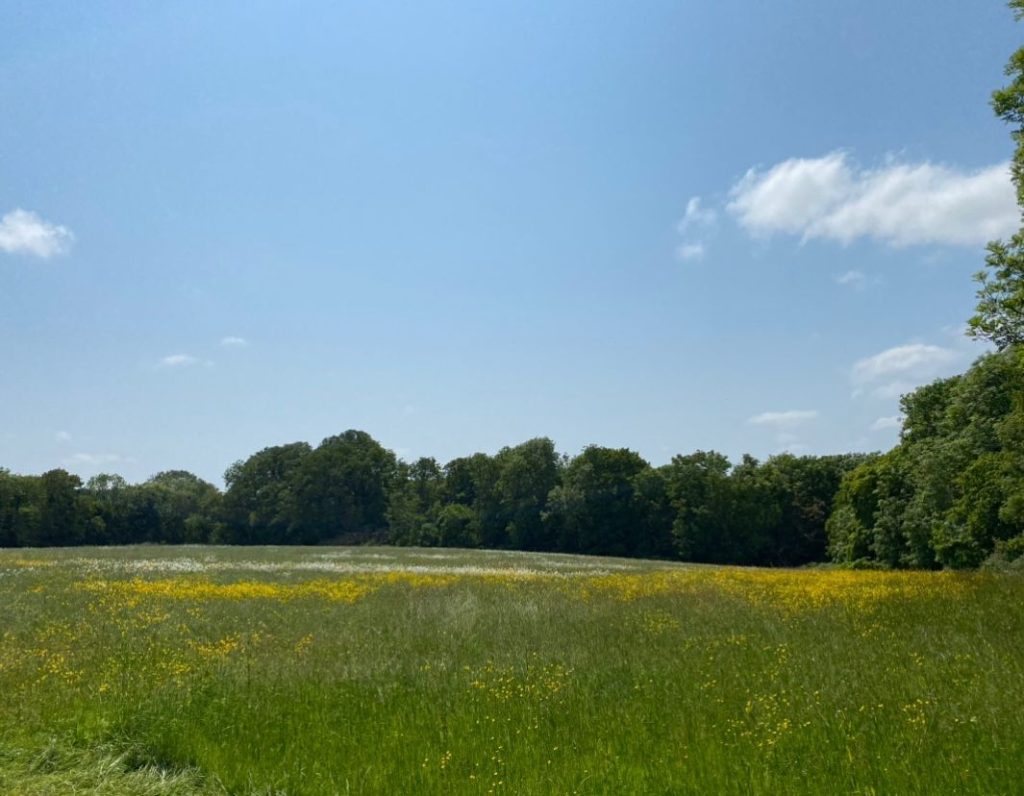
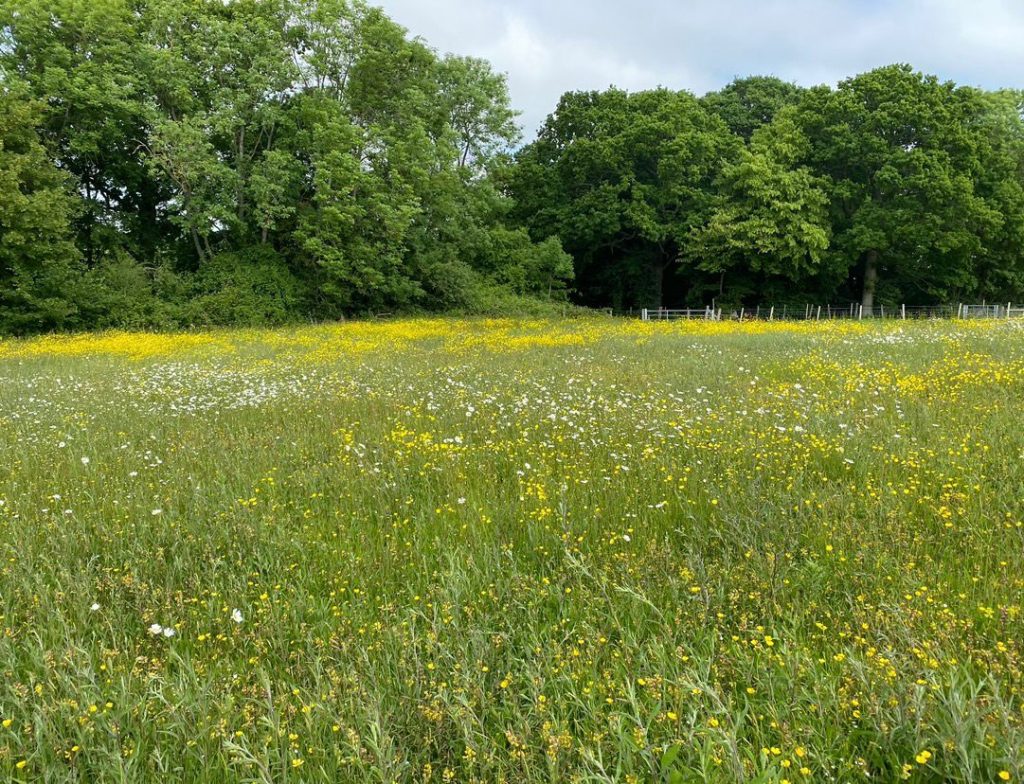
At this time of year, Parsley Meadow at Rare Breeds Centre begins to offer a glimpse of what nature can achieve when we simply step back. Its swaying grasses, flowering patches, and quiet hum of pollinators are a prime example of “less is more”. Want to join in? You can, by taking part in No-Mow May. By pausing our mowers and allowing wild plants to thrive, we create vital habitat for bees, butterflies, and countless other species that depend on early‑season blooms. Parsley Meadow demonstrates that when we let nature lead, biodiversity returns, resilience grows, and our landscapes become richer for everyone.
Letting nature breathe: Why No‑Mow May is worth a try
As soon as spring arrives, most of us feel that familiar twitch to get the lawnmower out and tidy things up. But what if, just for one month, we held off a bit? What if we let the grass grow, let the flowers appear, and actually enjoyed a little natural freedom in the garden?
That’s what No‑Mow May is all about — a simple pause that gives bees, butterflies, and all sorts of tiny garden visitors a much‑needed boost after winter.
It’s a small change with a big impact
Skipping the mow for a few weeks might feel a bit rebellious, especially if you’re used to keeping things neat and tidy. But here’s the thing: those “weeds” that pop up — clover, daisies, dandelions — are basically a five‑star buffet for pollinators just waking up after the colder months.
You’re not ignoring your garden.
You’re helping it help wildlife.
And it honestly feels good to know that doing less can do so much more for the creatures that keep our ecosystems ticking.
Rewilding doesn’t mean letting Eeverything go wild
A common worry is that skipping the mow will leave your garden looking messy. But it doesn’t have to! If you approach it with a tiny bit of intention, a wilder lawn can still look cared‑for — even stylish.
A couple of simple tricks can make a world of difference:
- Keep a clean edge trim around paths or borders
- Put a small sign or marker saying you’re taking part in No‑Mow May
- Let one section grow, not the whole lawn
- Mow paths through the long grass to make it look purposeful
When you do these things, it stops looking like neglect and starts looking like a deliberate choice — which it is. A “managed messy” garden can actually look really charming.
A chance to slow down and notice more
One lovely thing about No‑Mow May is how it changes the way you interact with your garden. You start noticing things — tiny beetles, hoverflies, bees drifting from flower to flower, new birds popping in to check out the buffet.
When the lawn isn’t a perfectly trimmed carpet, it becomes a stage for all sorts of little wonders.
Why not keep a small wild corner all year?
If you find the wild look surprisingly beautiful in May, consider keeping a small patch like that all year round.
It doesn’t have to be huge — even a little corner behind the shed or a strip by the fence can become a permanent safe space for insects and other wildlife. It’s amazing how much life can fit into such a small area.
And because it’s just one patch, with tidy edges or paths around it, it still looks intentional — like you’re balancing order and nature, which is exactly what you’re doing.
Your garden, your choice — and your legacy
Taking part in No‑Mow May is a gentle way of saying:
“I want my garden to make a difference.”
It’s incredible how one small month-long decision can create space for so much life — and how good it feels to be part of that.
And when may ends…
You can mow again if you want. Or keep a wild patch. Or plant a few more pollinator‑friendly flowers. No‑Mow May isn’t a rulebook — it’s more like a friendly suggestion.
A reminder that sometimes the best thing we can do is simply step back… and let nature do her thing.
To find out more about our conservation work at the Rare Breeds Centre and Poulton Wood, click the button below.
Share


