
Our Farm Life Skills Students at the Kent County Show 2026
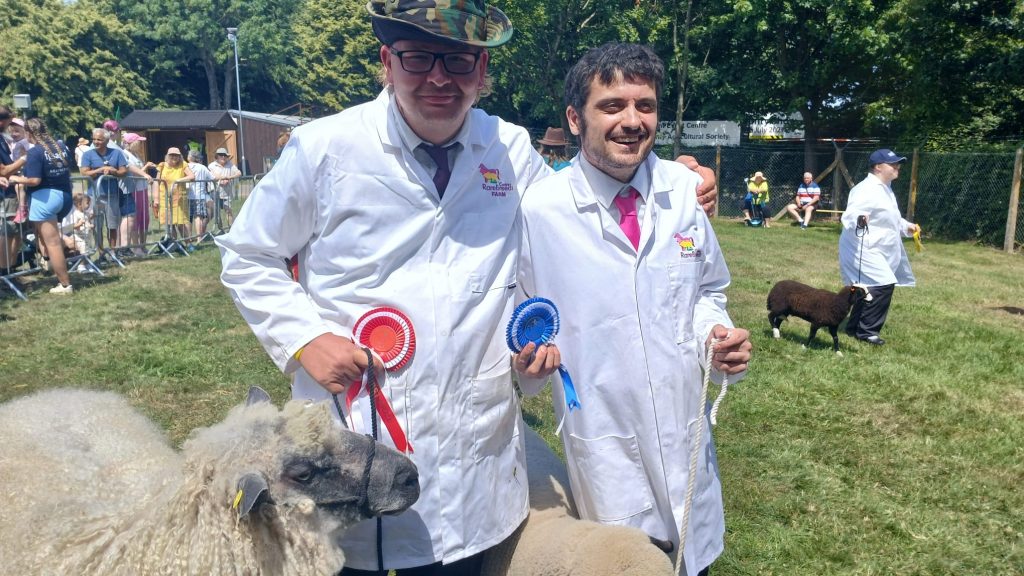
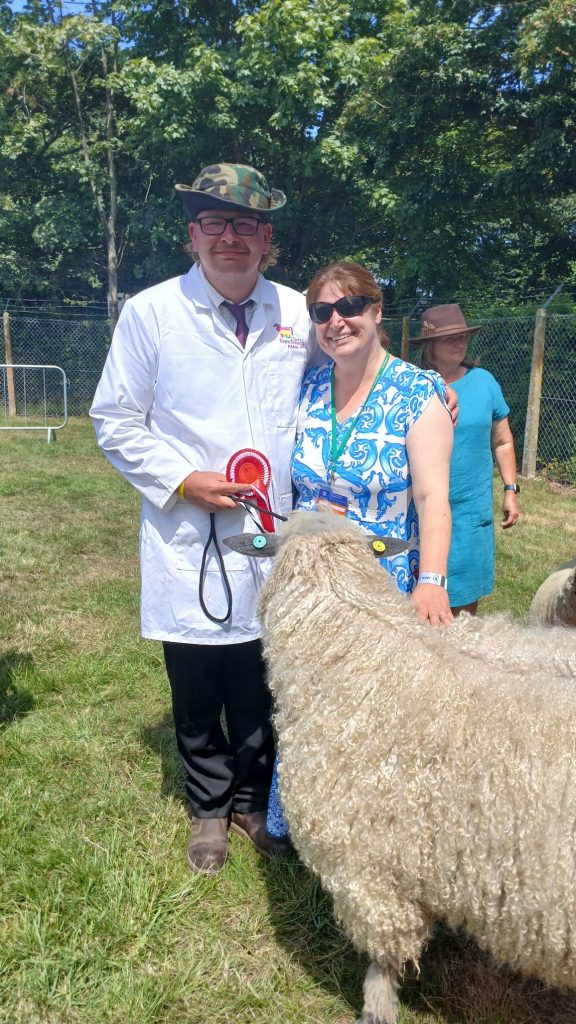
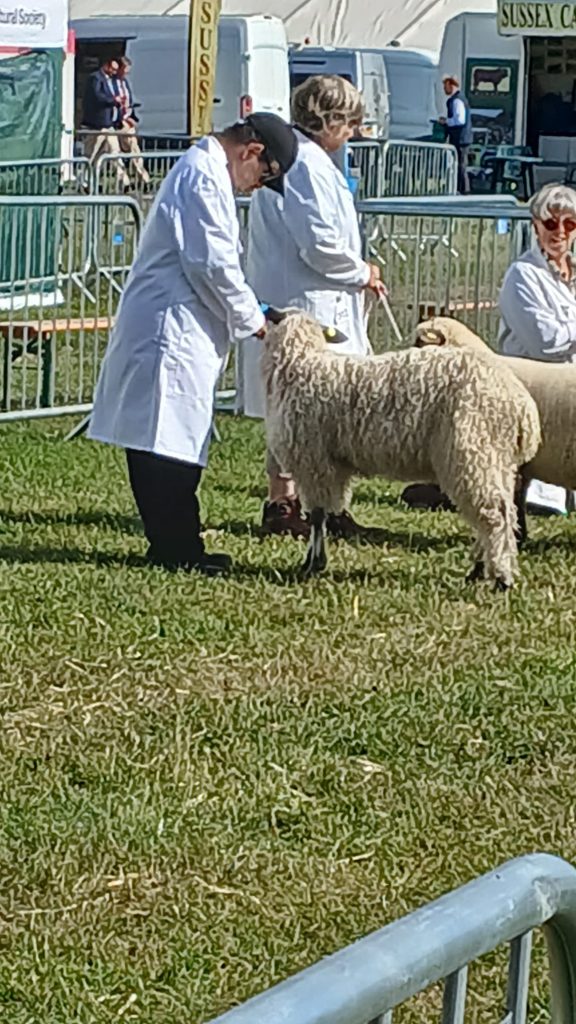
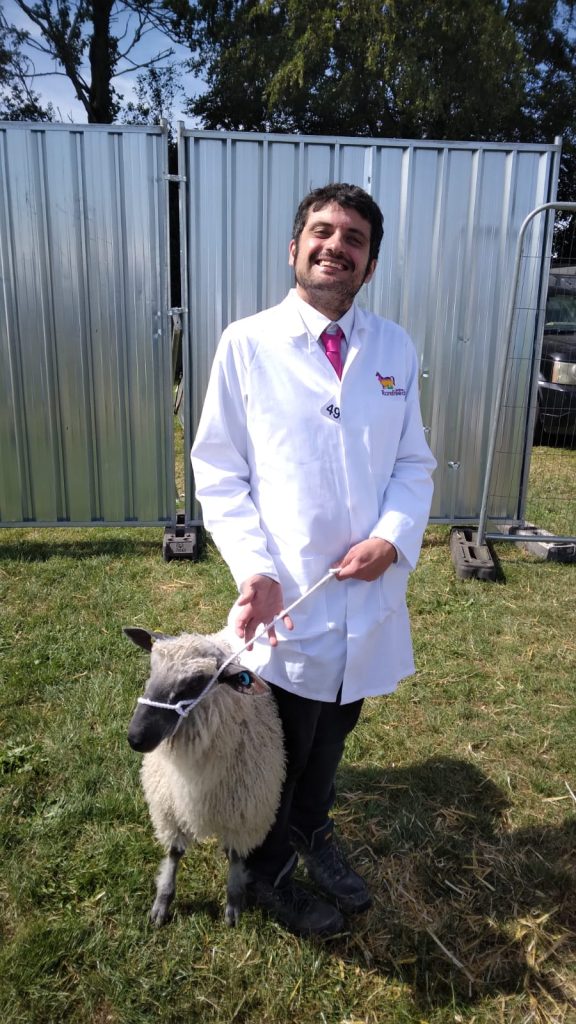
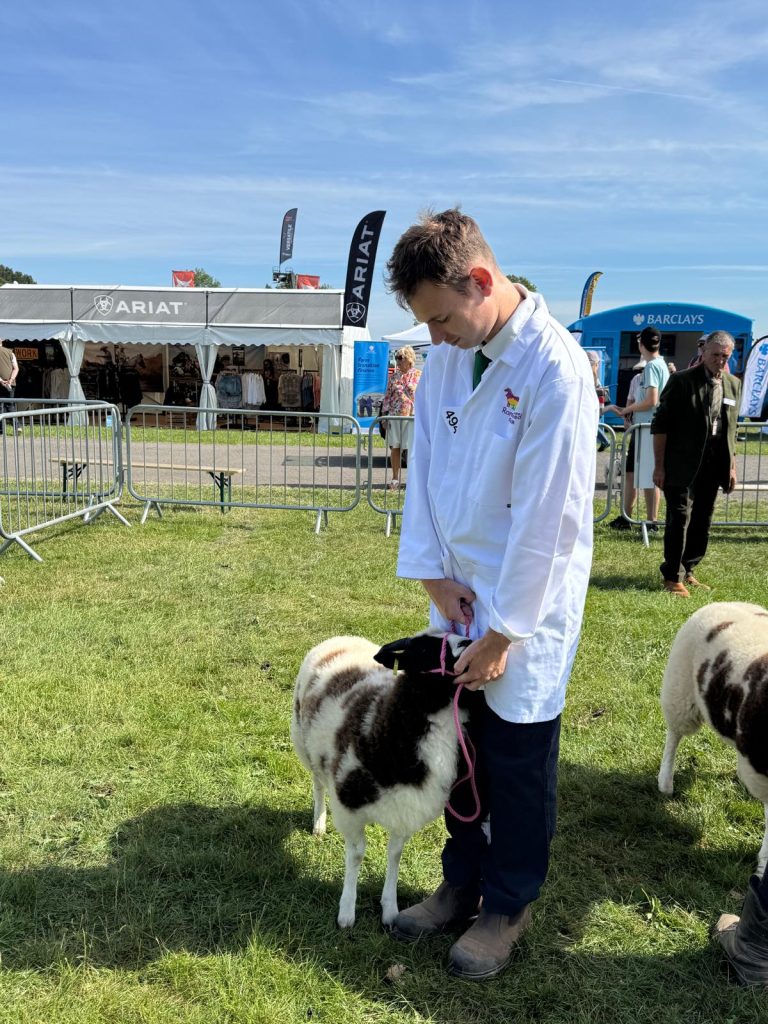
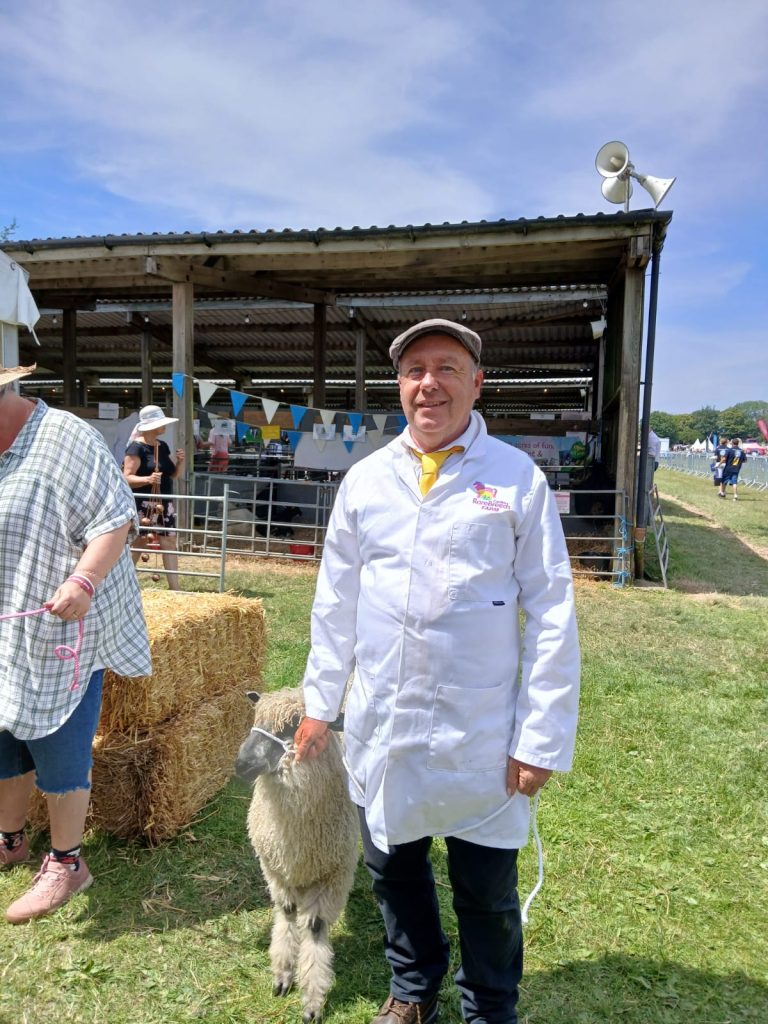
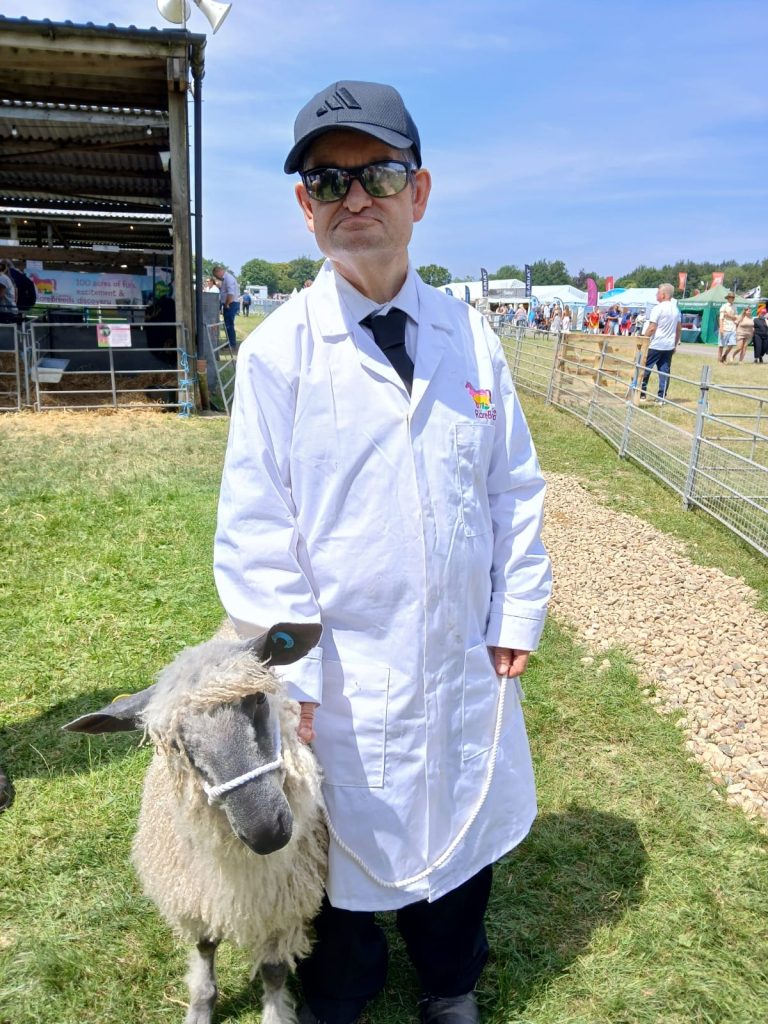
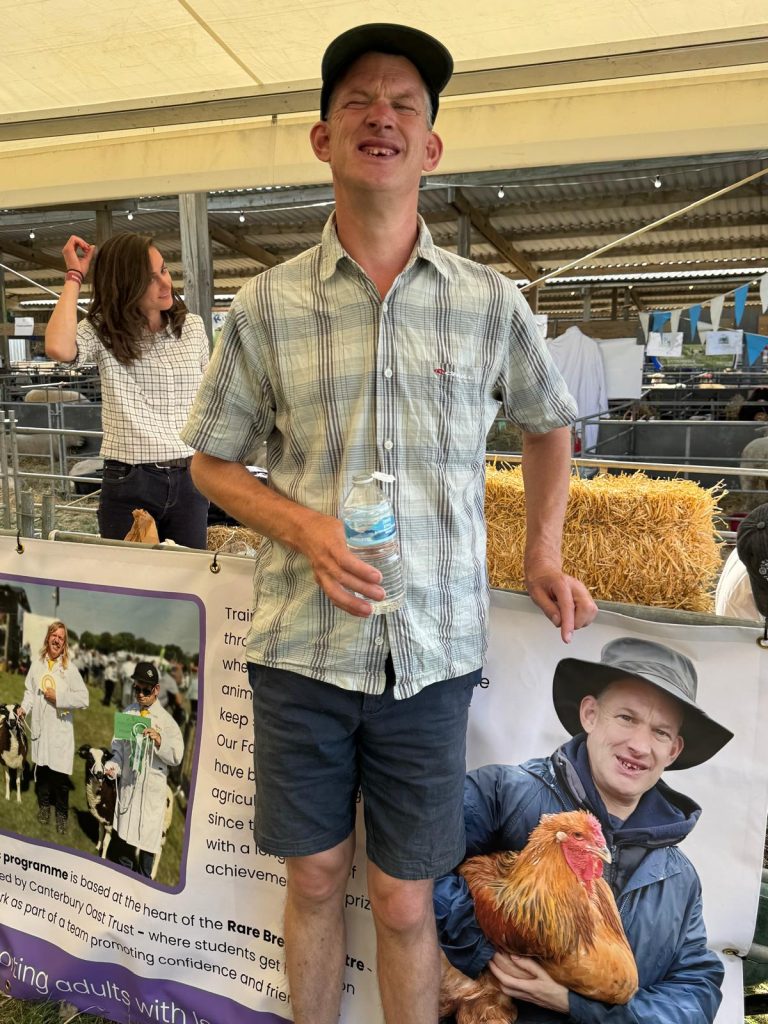
Our Farm Life Skills Students enjoyed attending and showing at the Kent County Show last weekend.
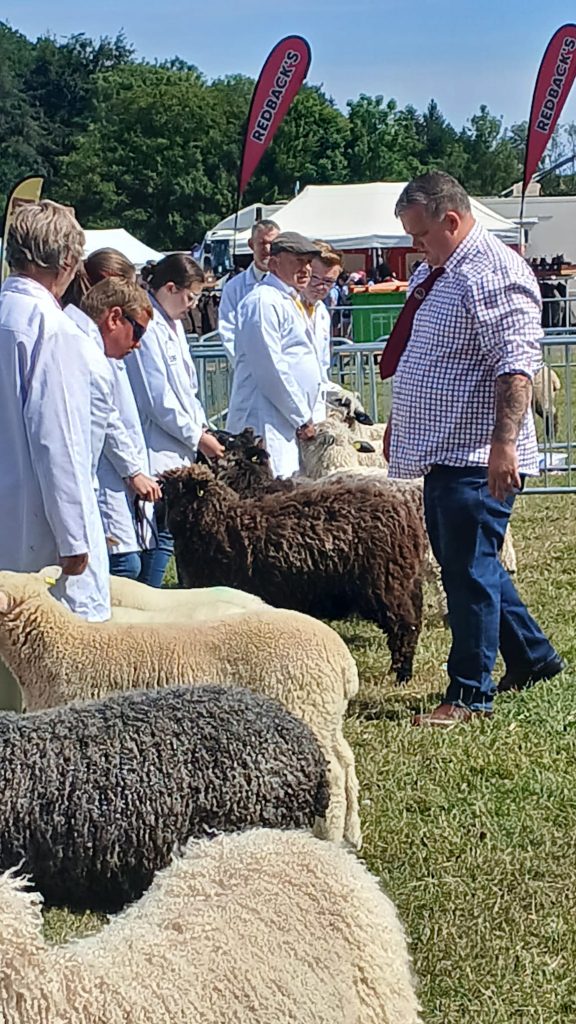
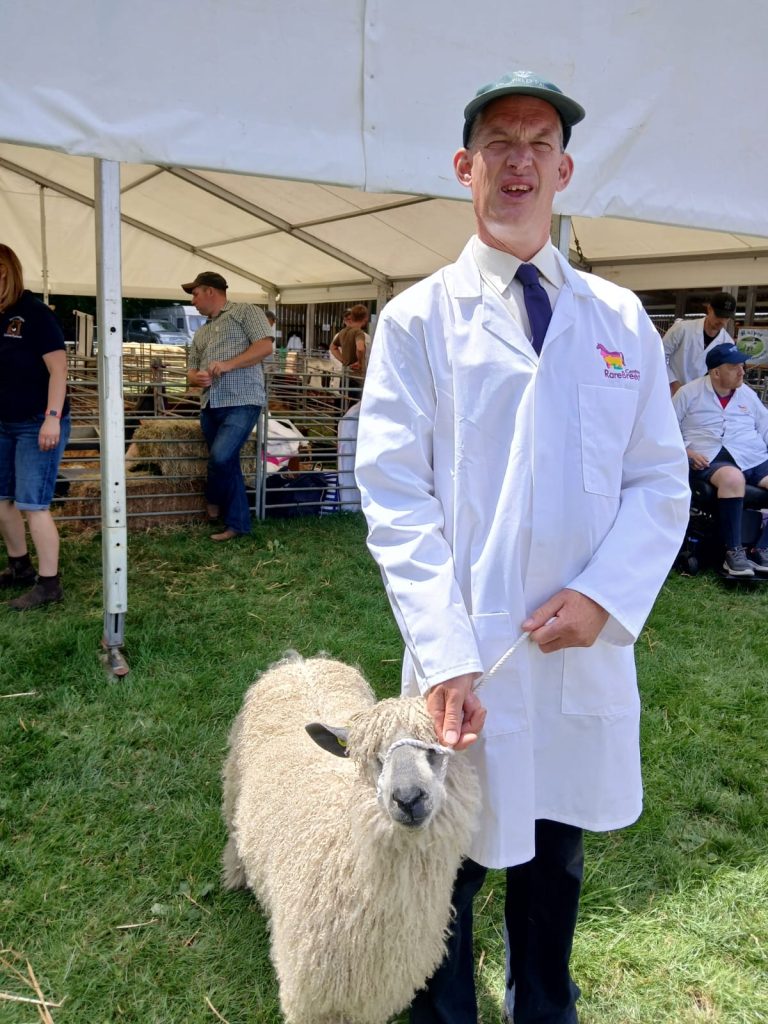
They participated in 5 sheep shows. After weeks of training and prepping the sheep we were so proud to show them off.
The students were delighted to win some rosettes after all their hard work.
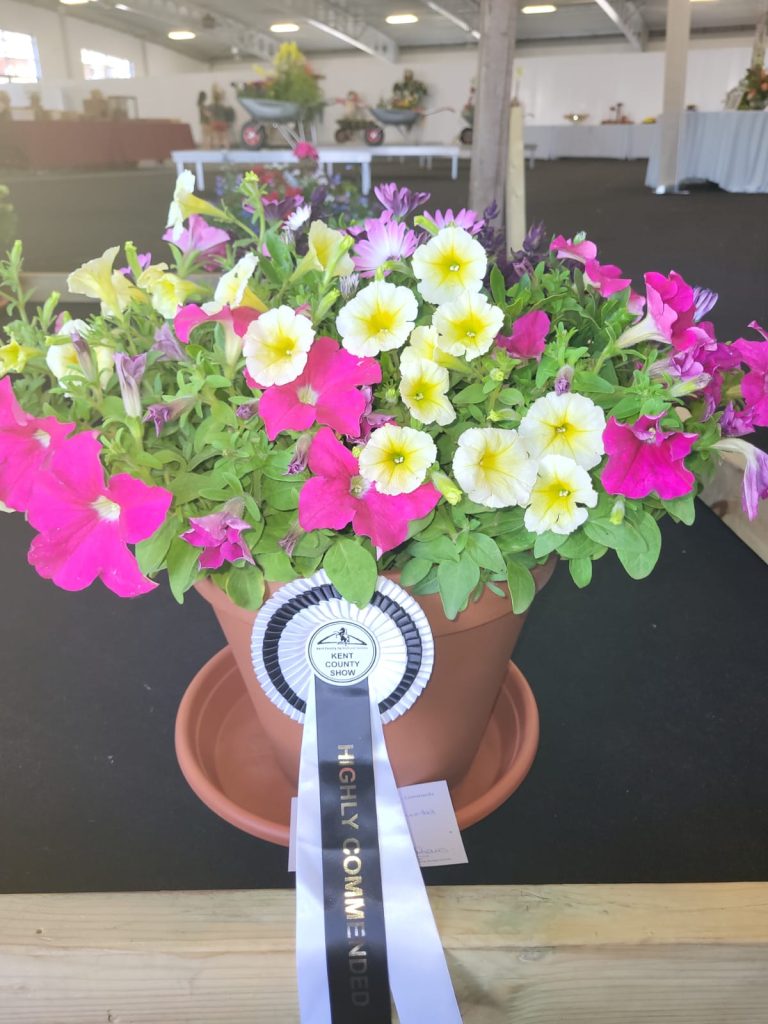
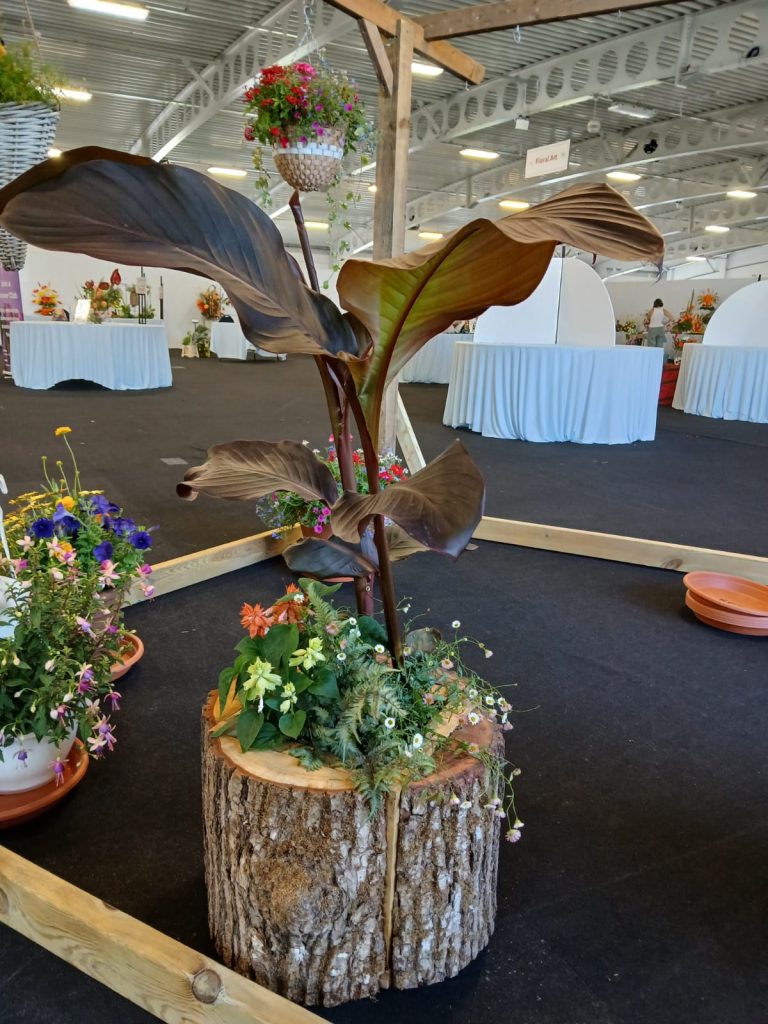
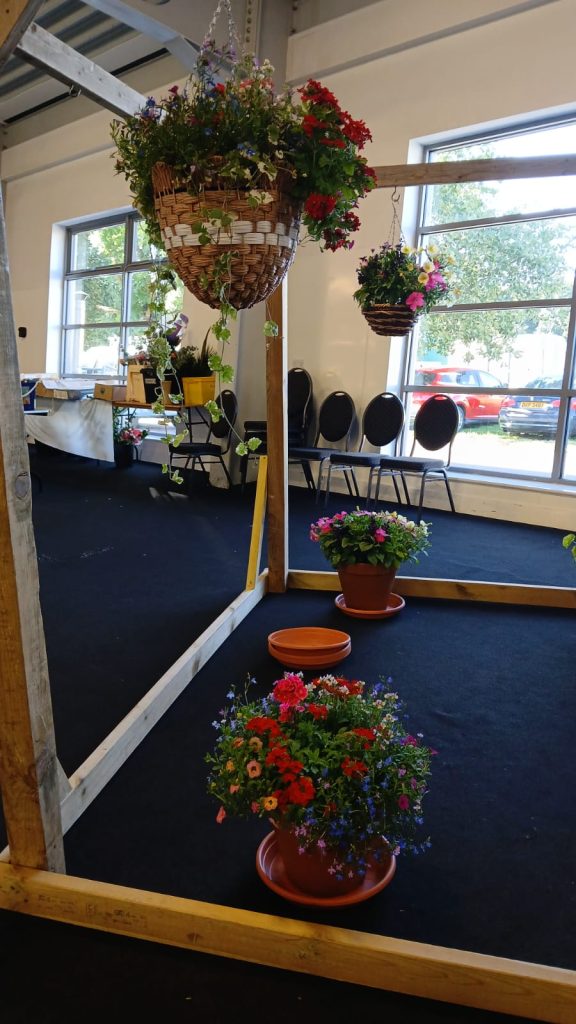
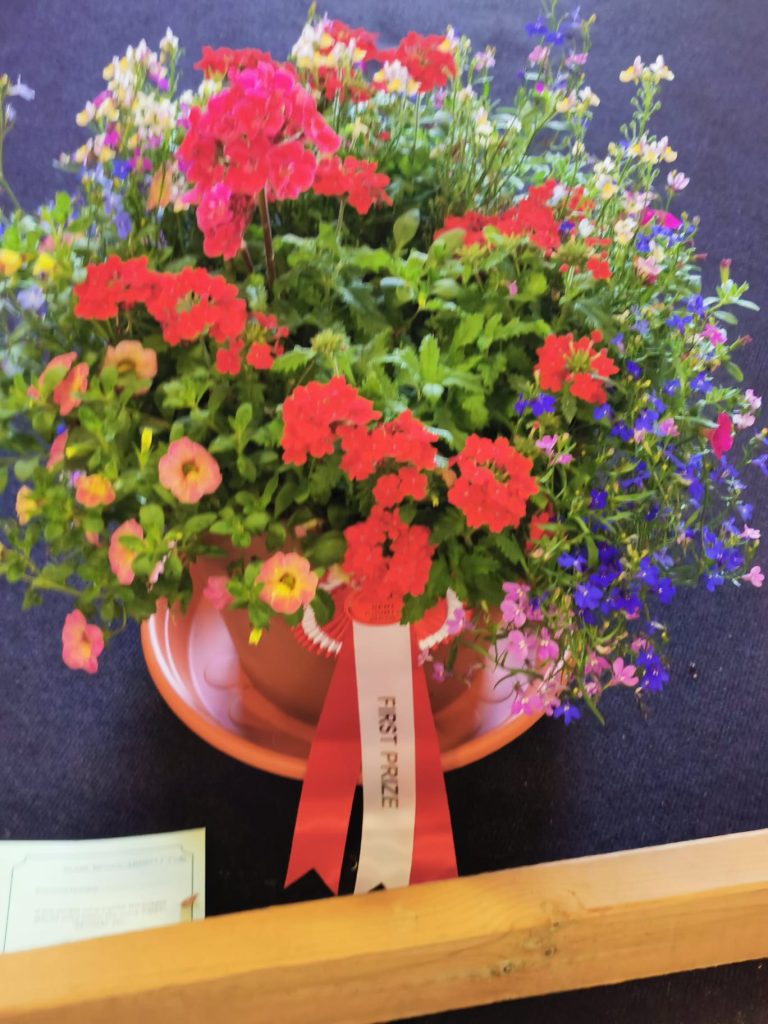
The life skills teams also entered the decorative pot and planters in the Garden Life exhibition and won 1st, 3rd and highly commended.
Over the weekend 15 students enjoyed the show, with additional tickets being funded by the Friends of COT.
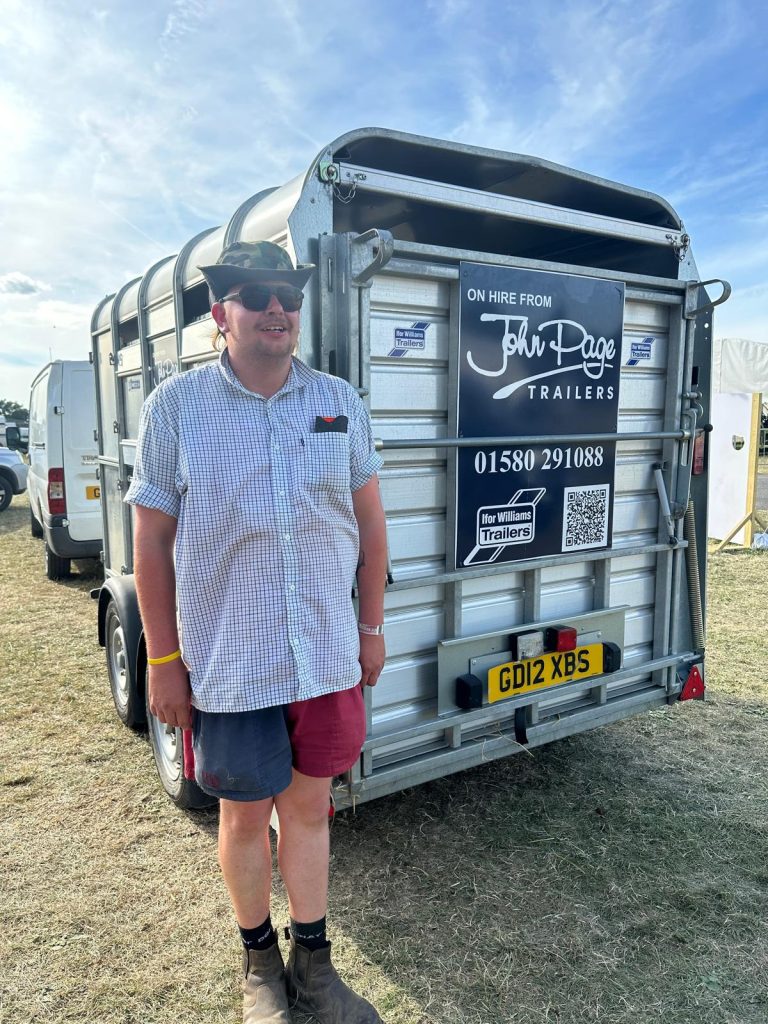
Big thanks to John Page Trailers Ltd for lending us a sparkling new trailer to transport our sheep in!
Well done everyone, we are so proud of all your hard work!
Inclusion Conference Centre officially opens
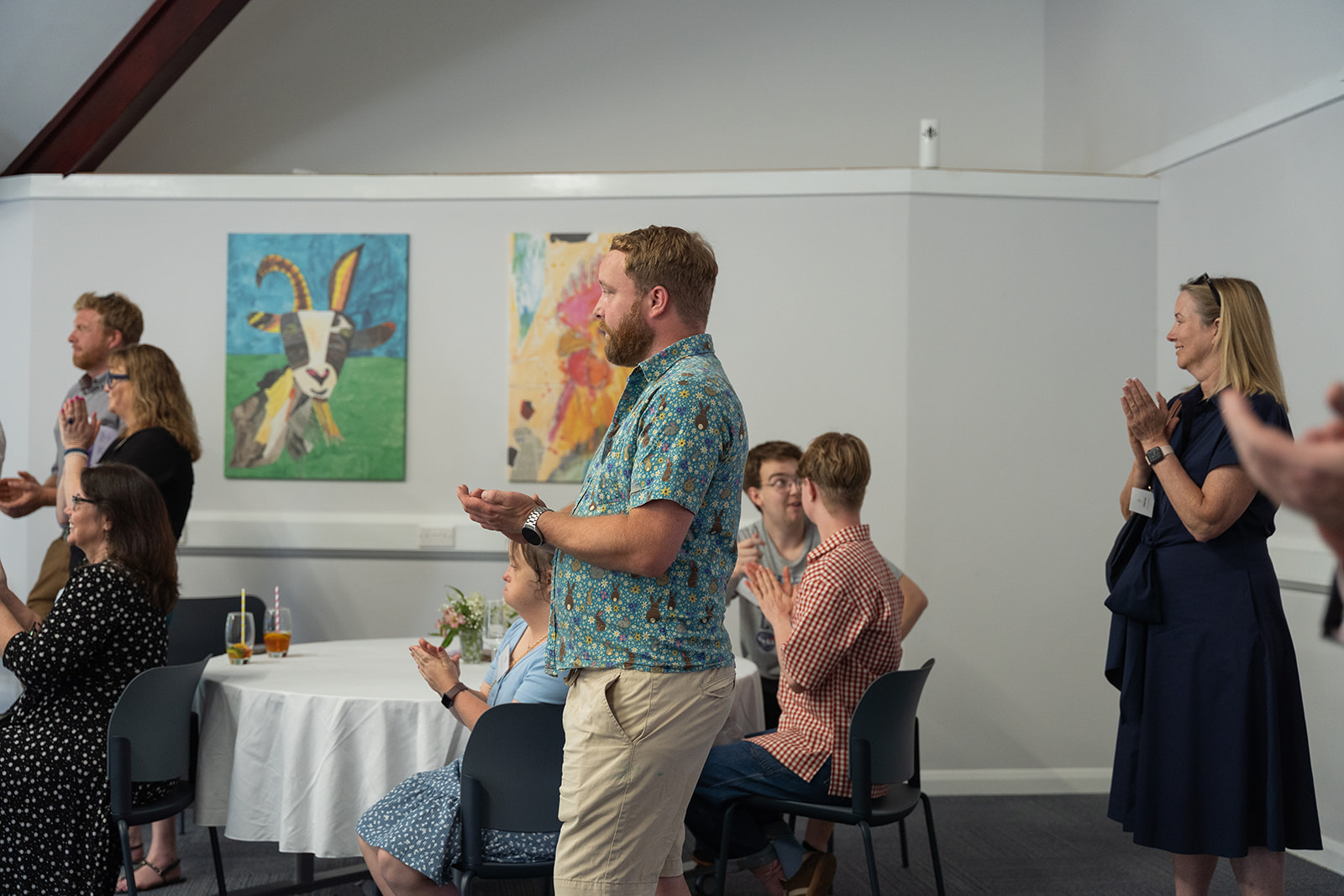
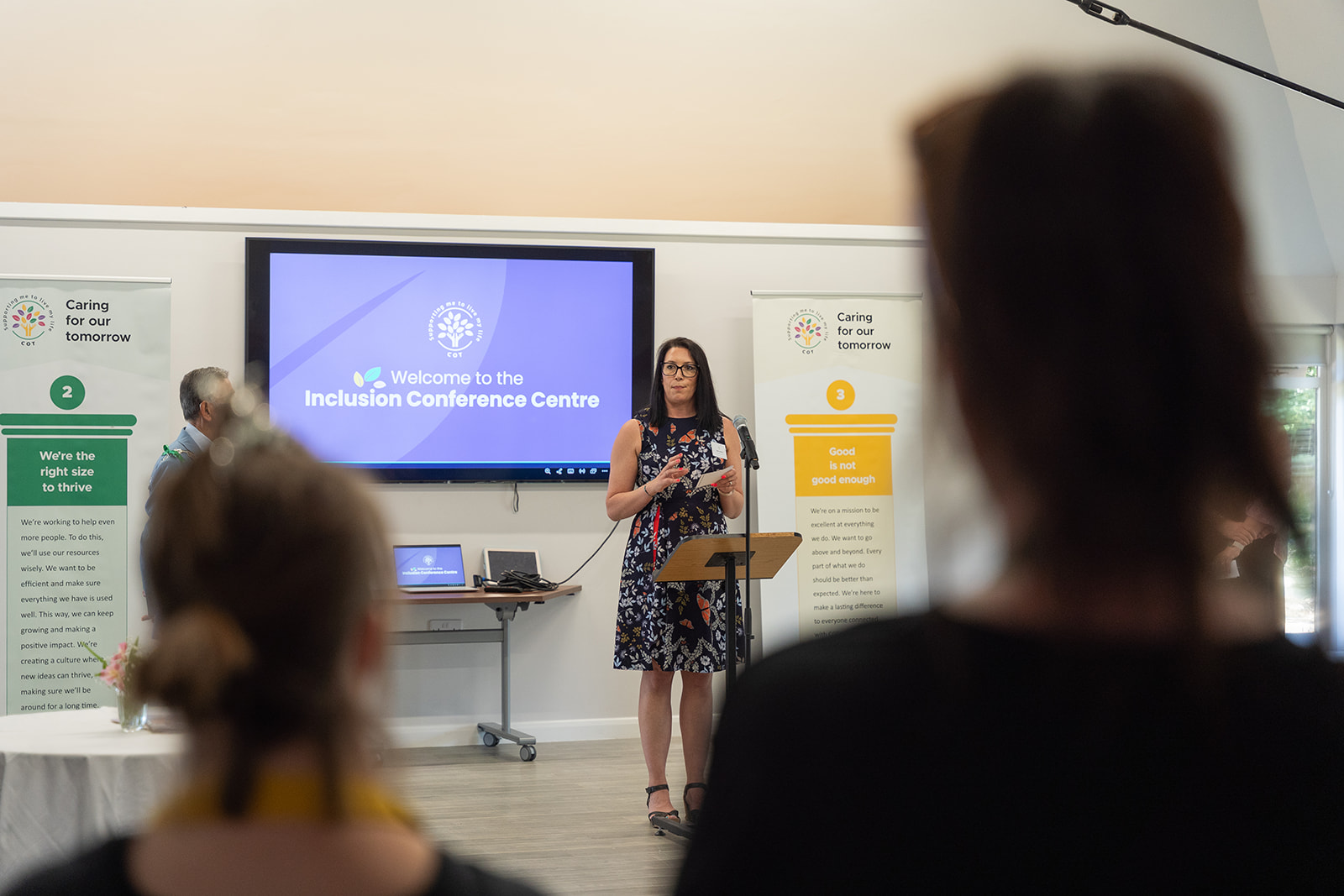
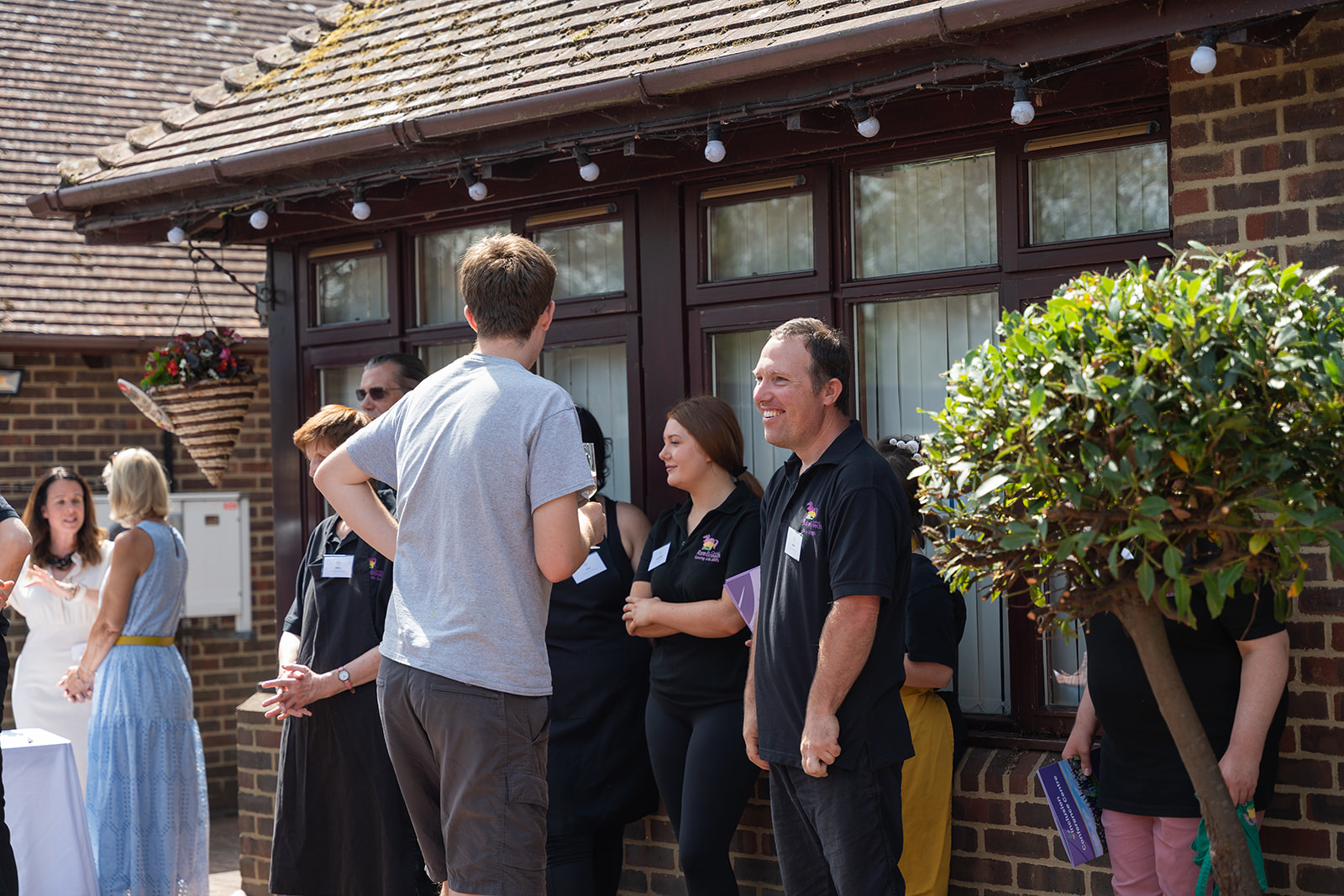
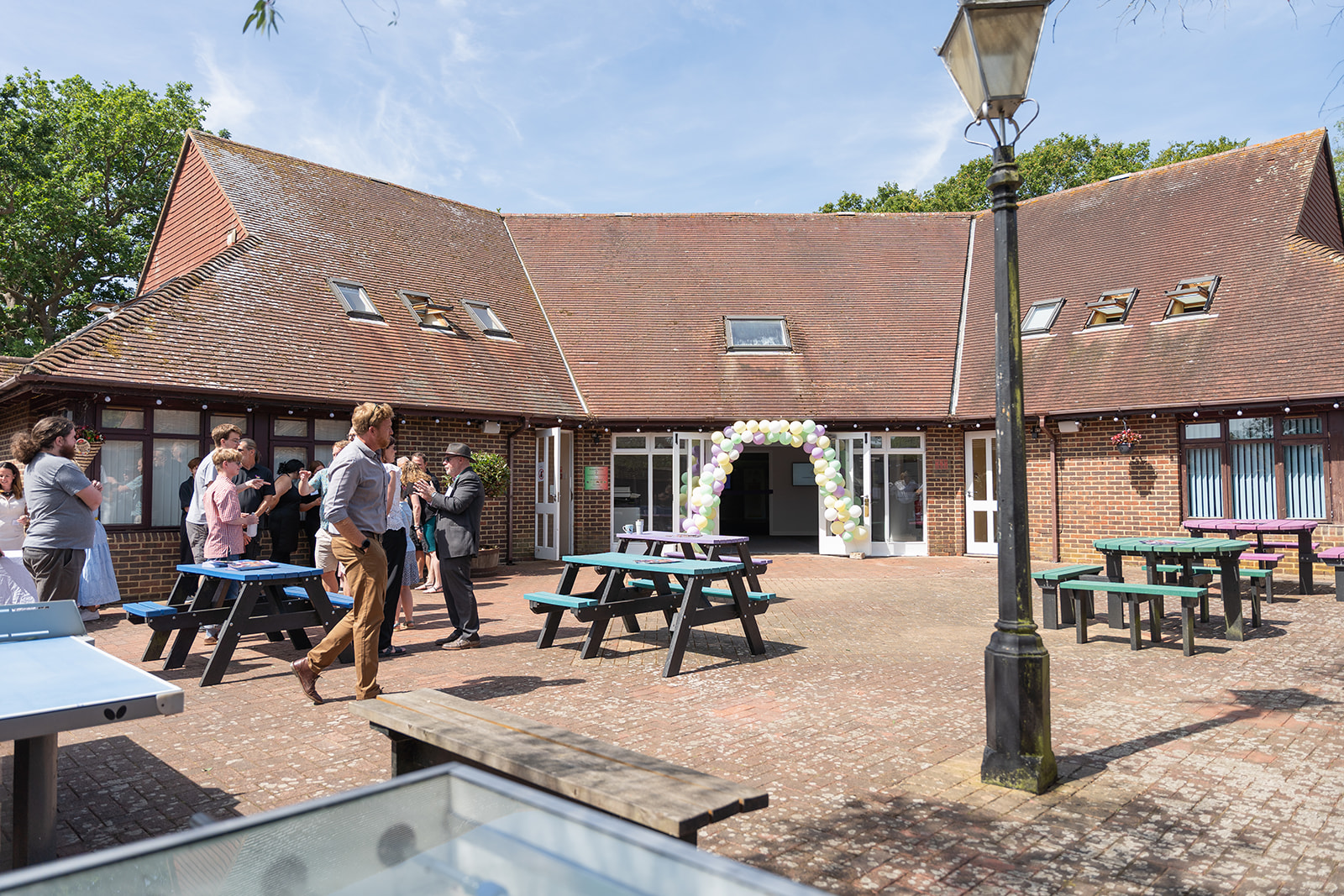
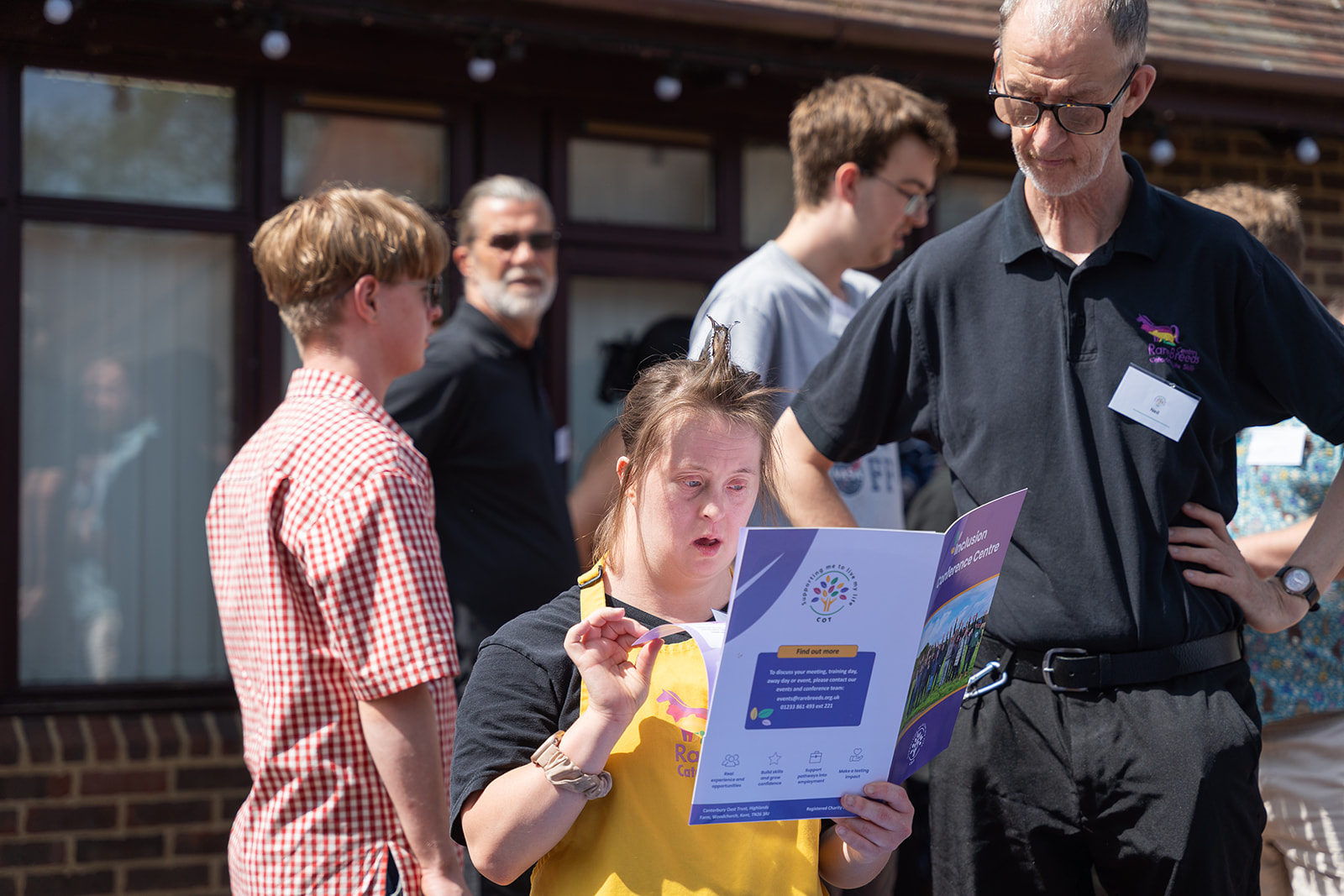
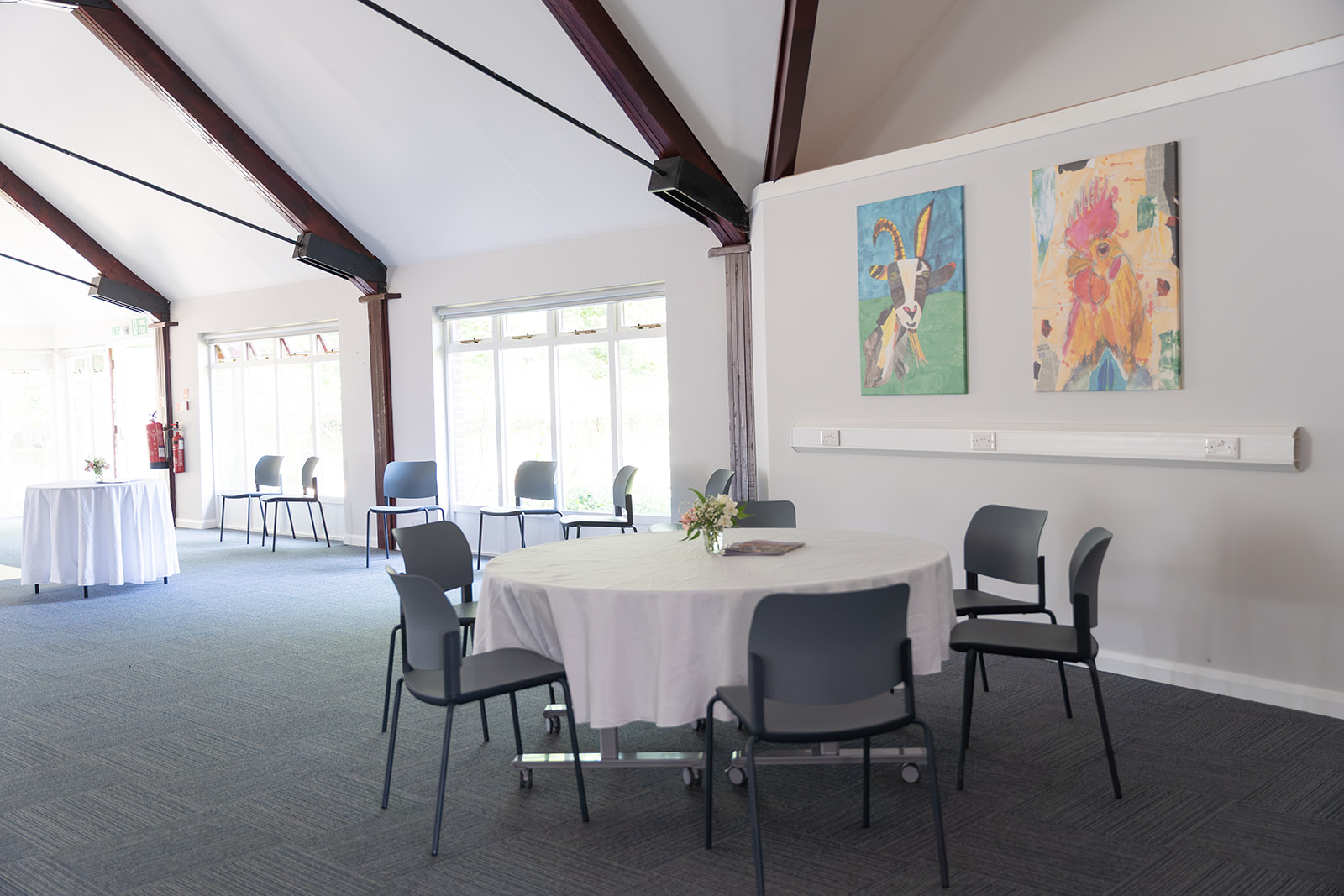
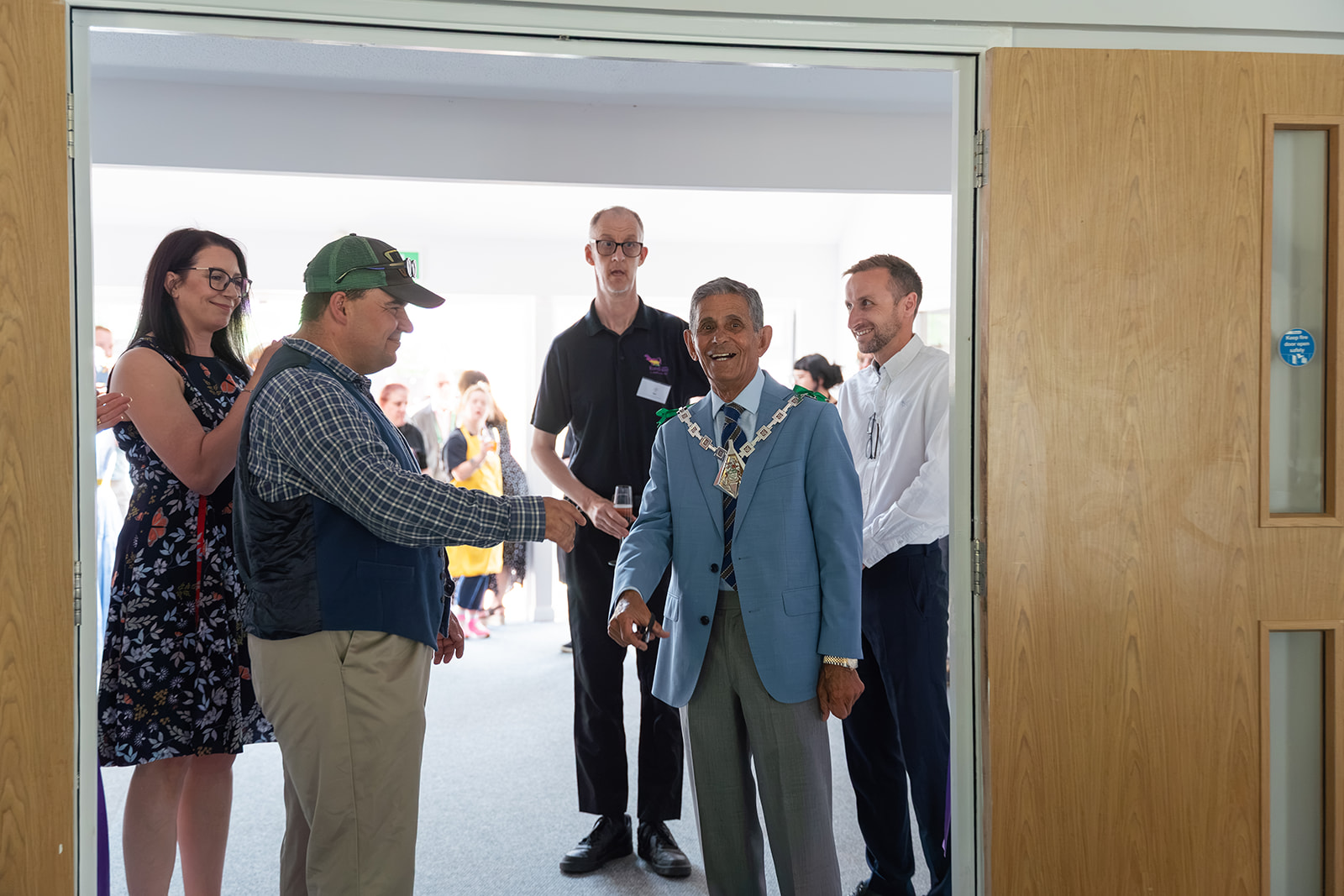
We celebrated an exciting milestone on Tuesday 7 July with the official opening of the new Inclusion Conference Centre at the Rare Breeds Centre.
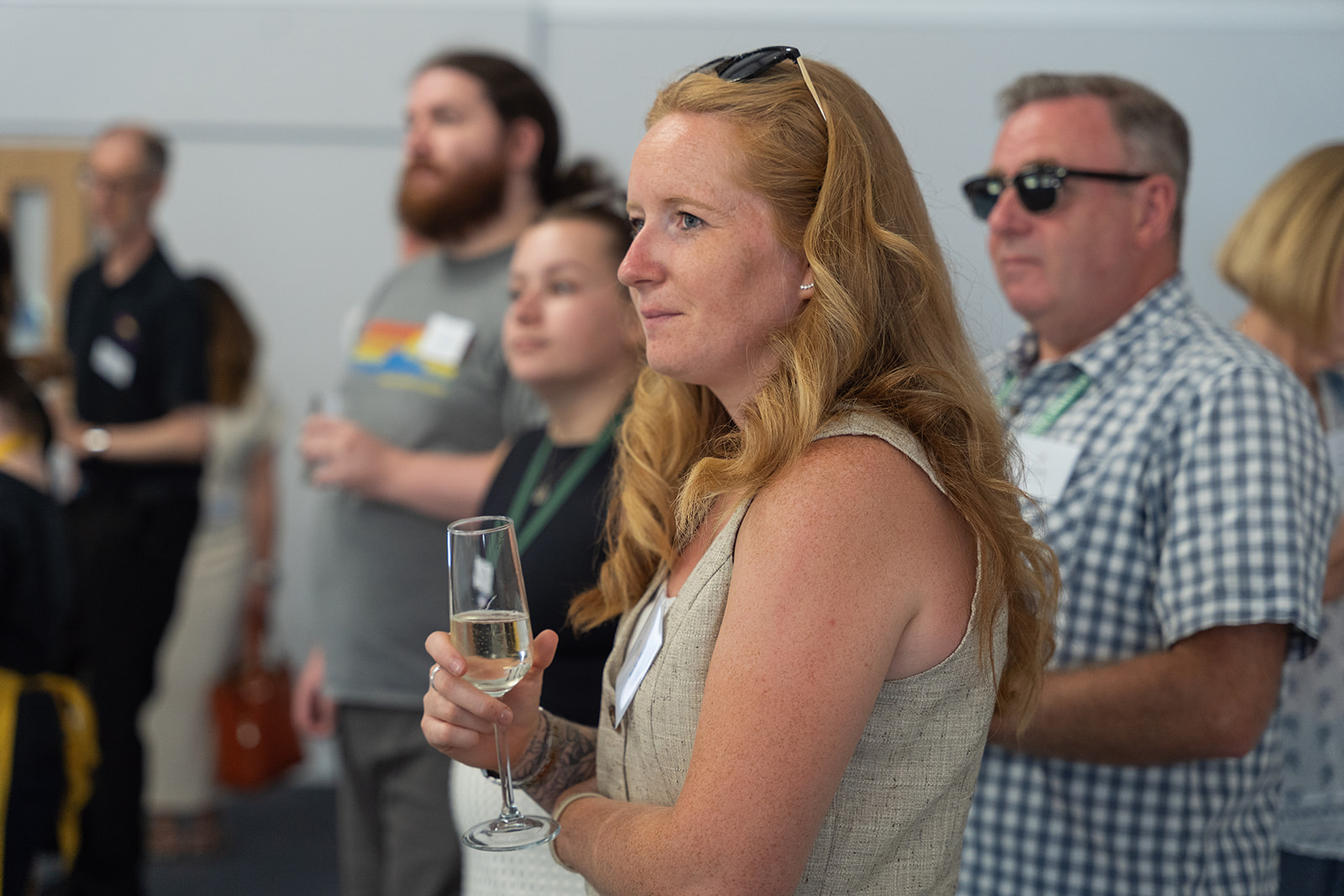
Trustees, supporters, funders, invited guests, staff and students came together to mark the launch of a venue that will create paid employment opportunities for adults with learning disabilities and autism.
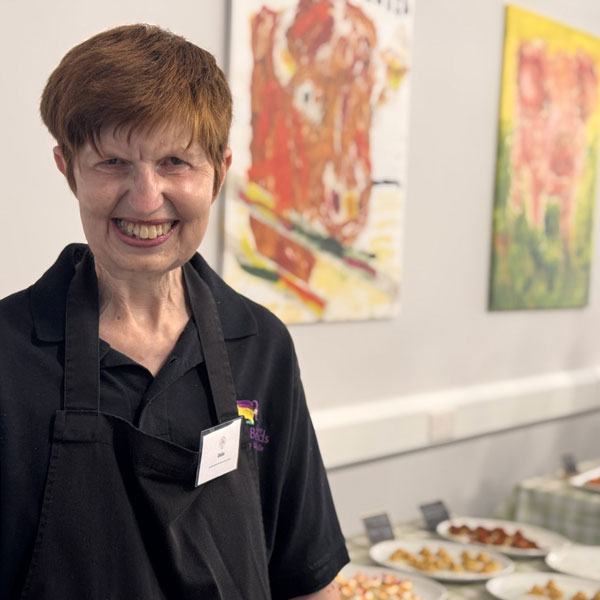
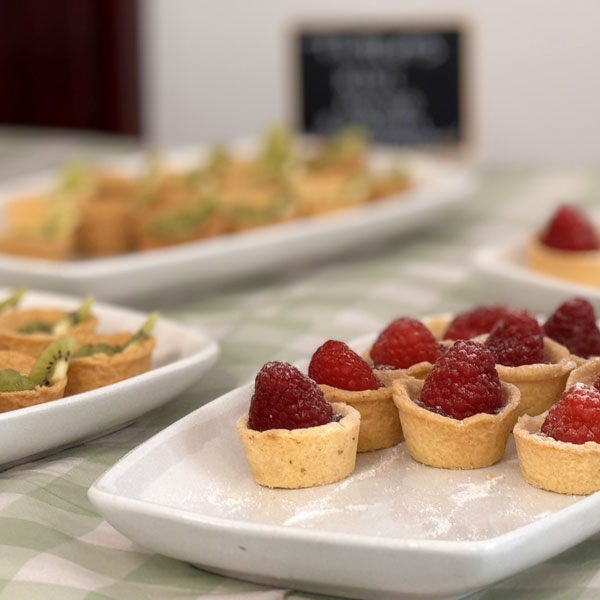
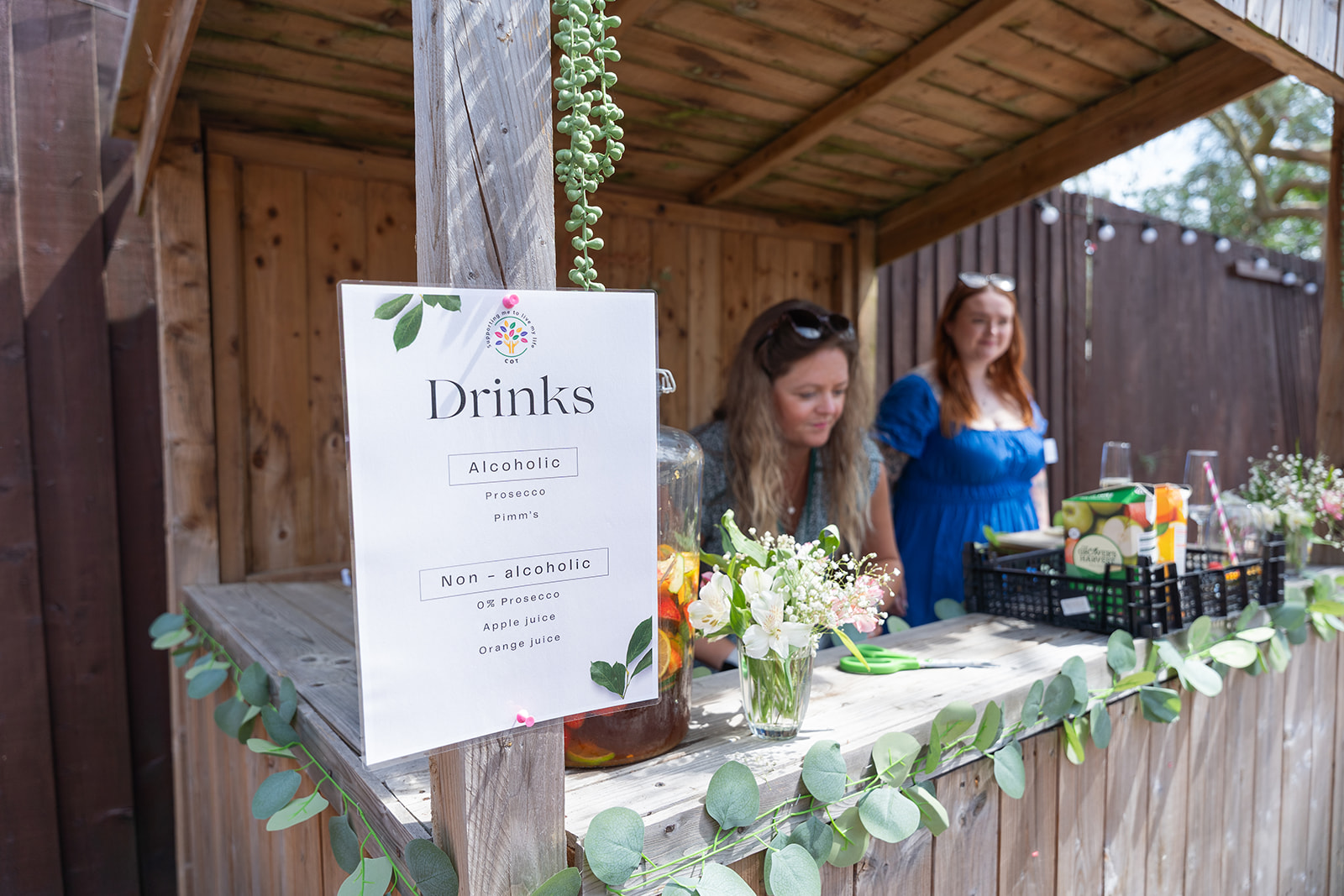
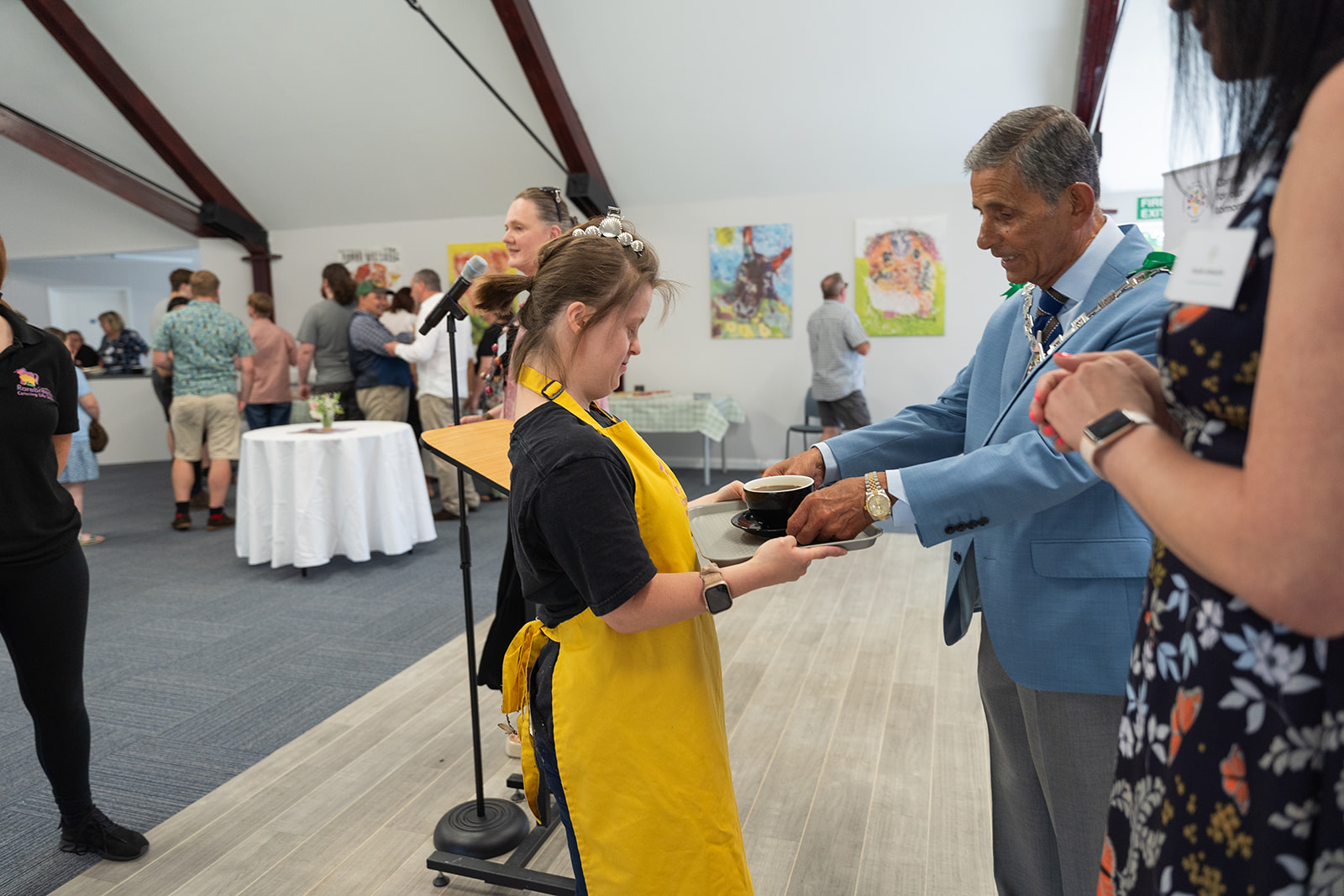
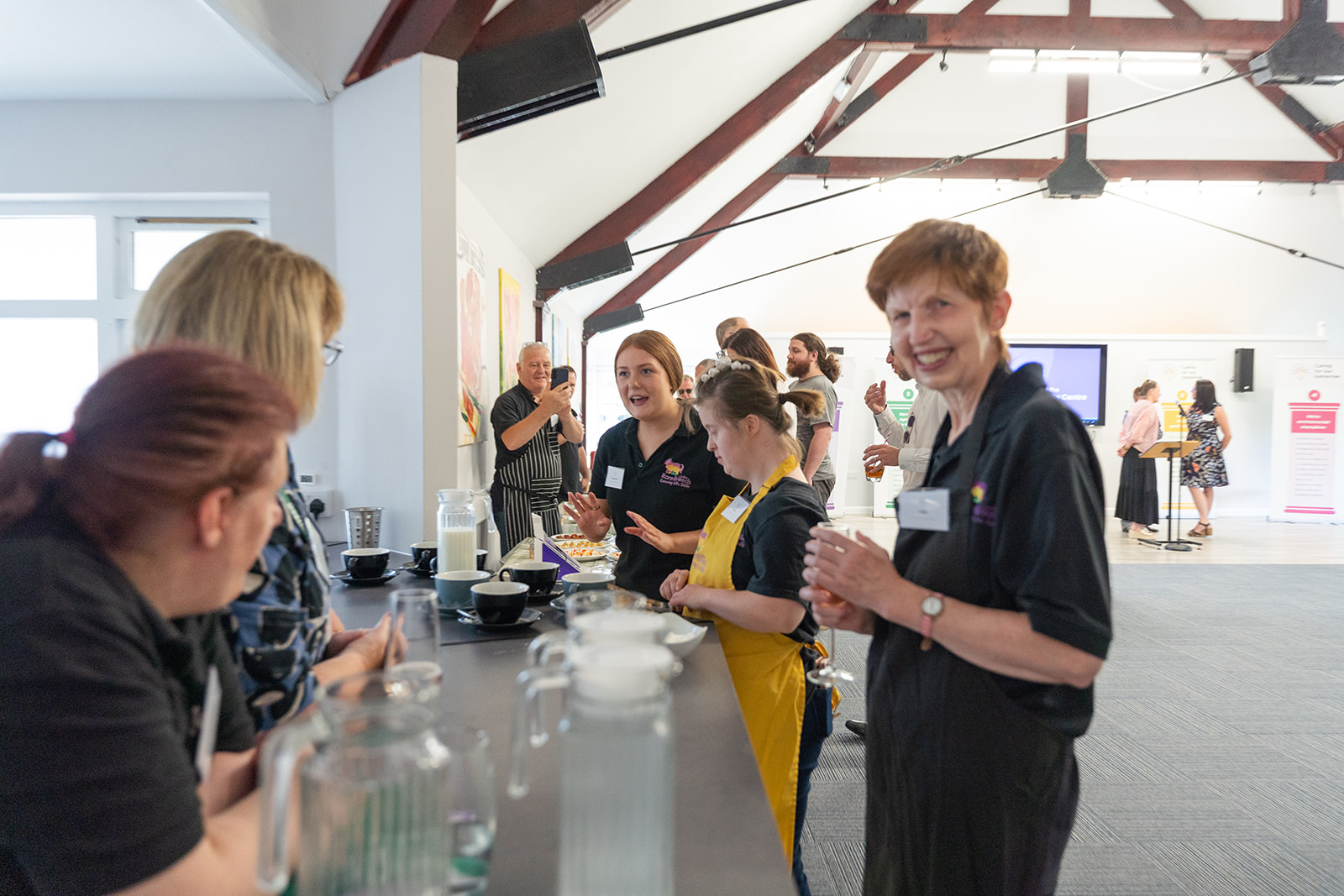
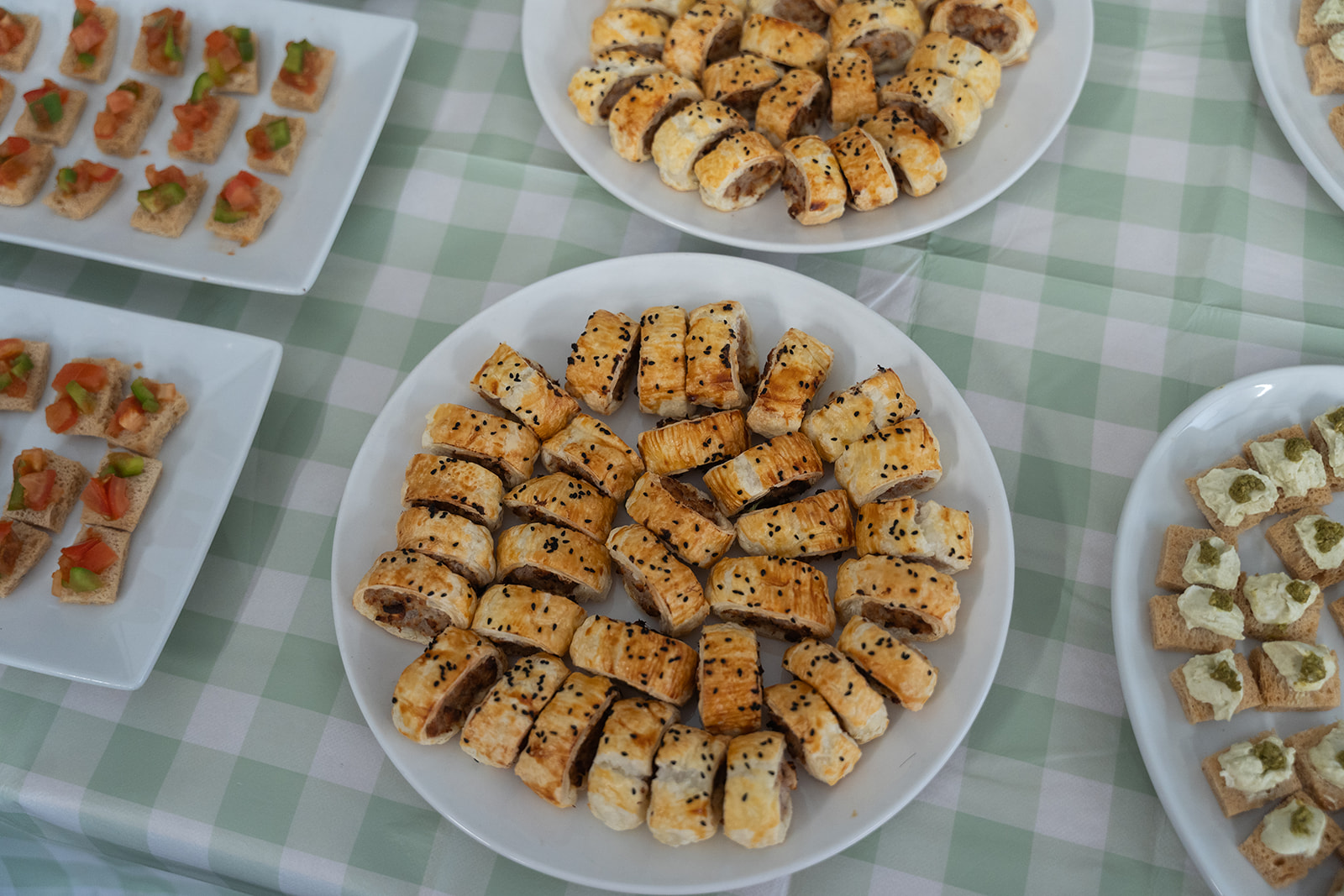
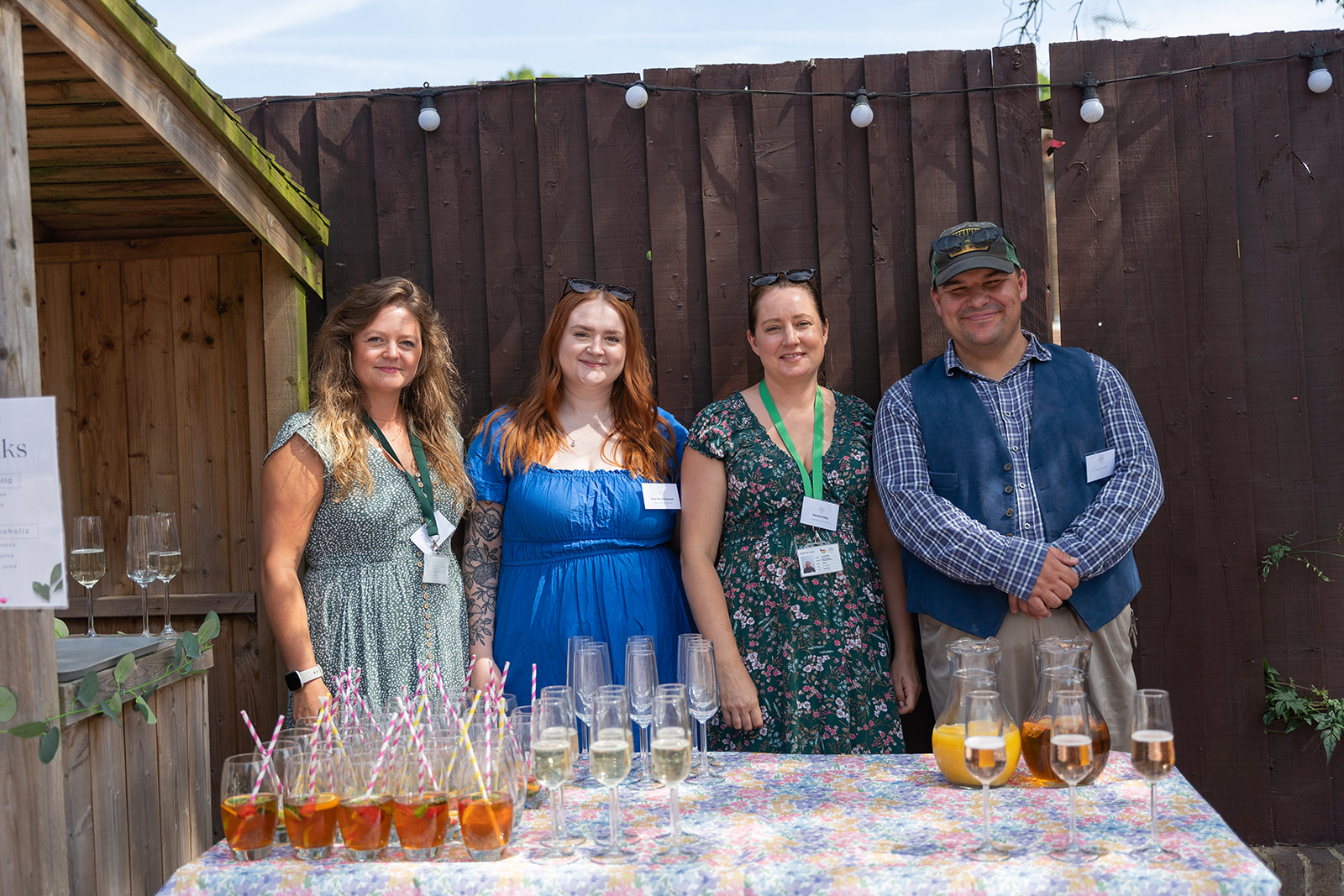
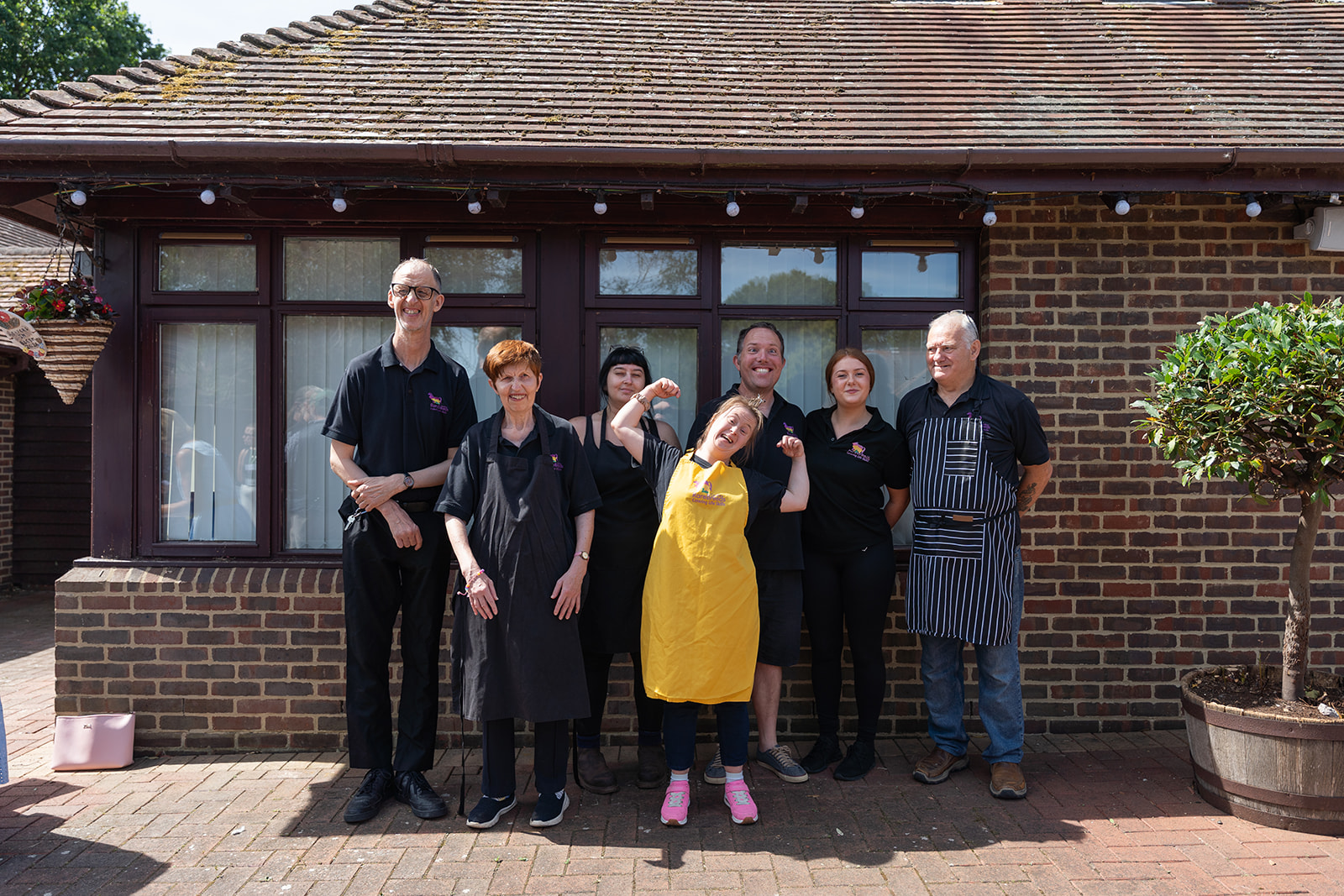
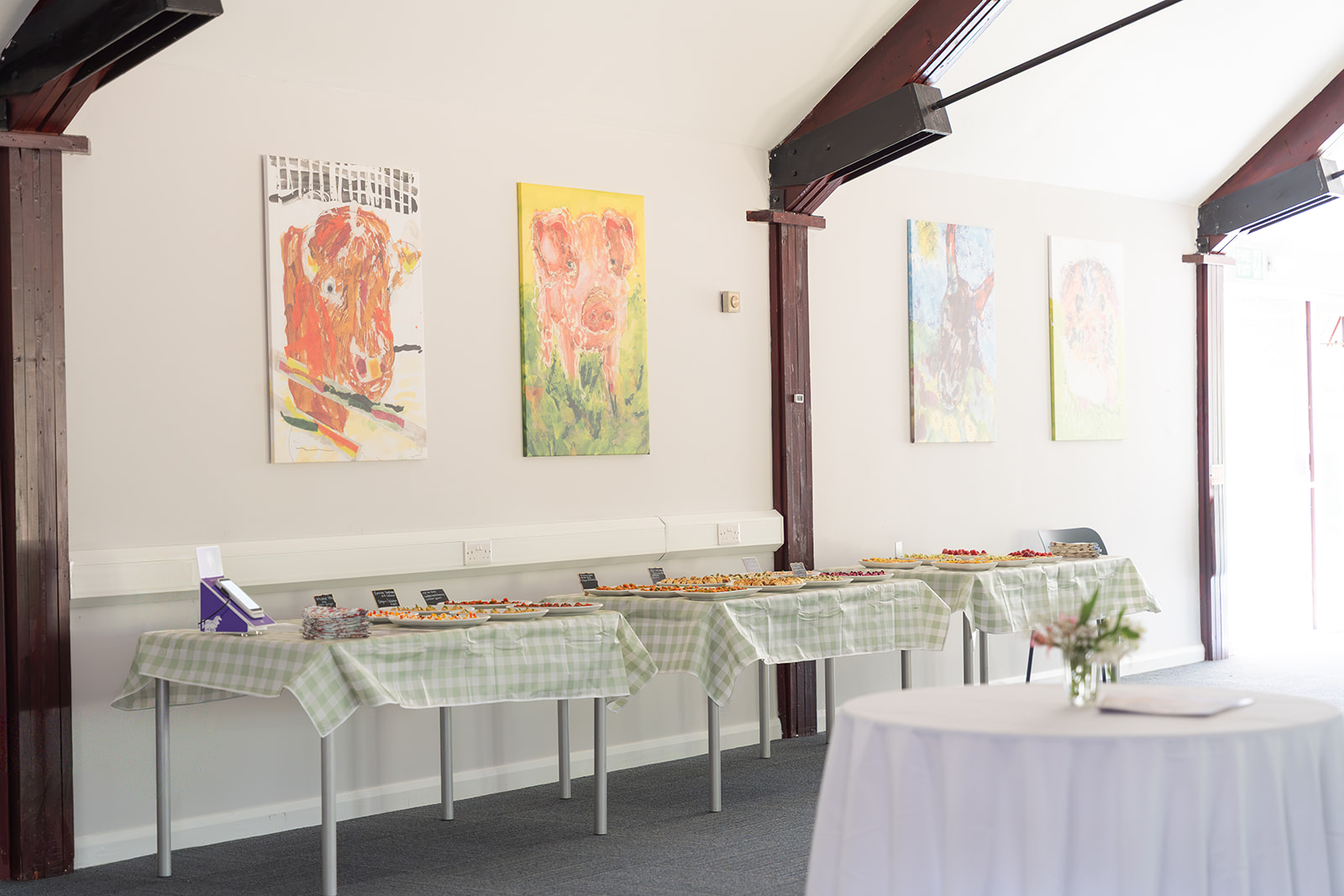
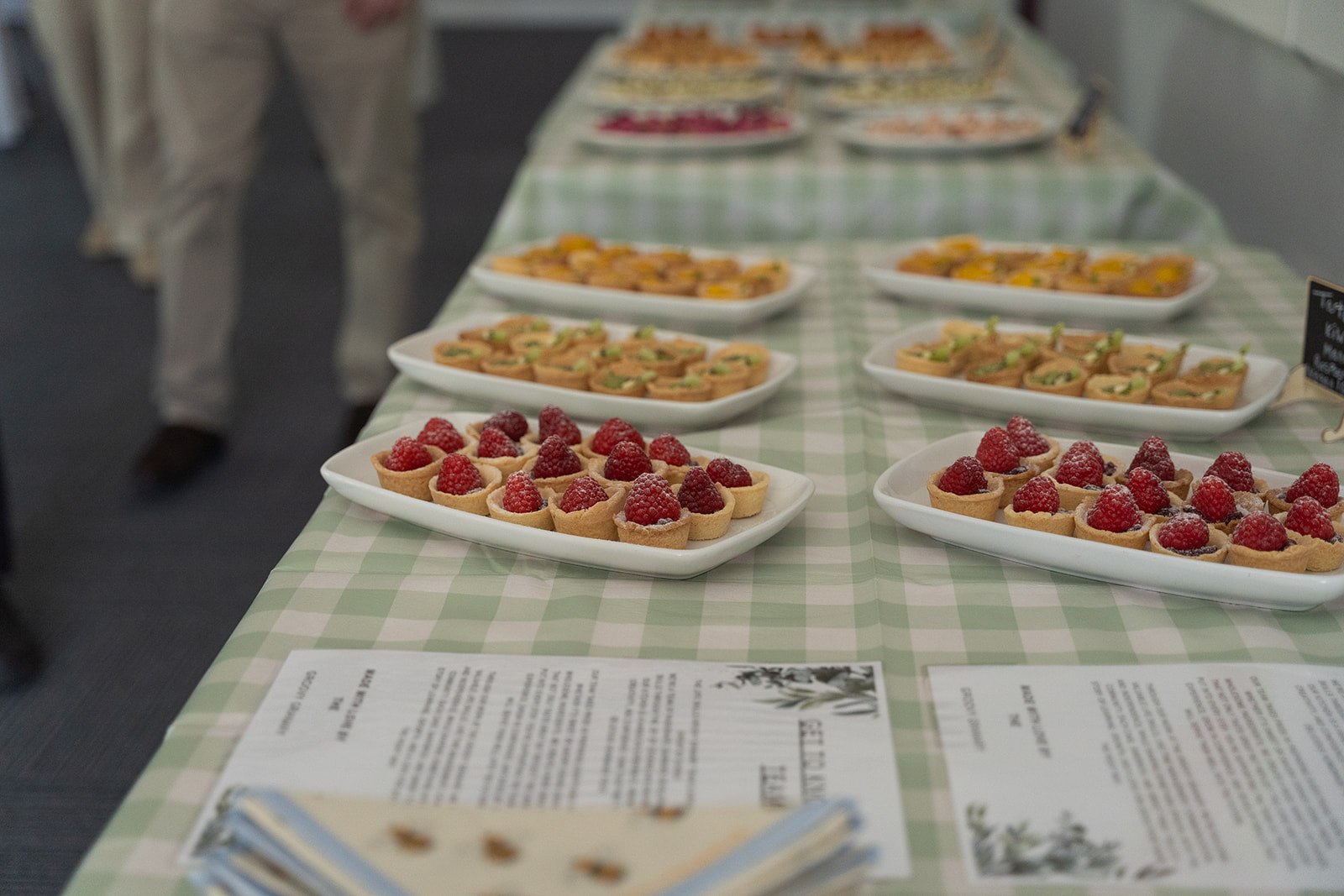
The event showcased the potential of the new venue, with our culinary Life Skills students preparing and serving a delicious buffet, demonstrating the skills they have developed and providing a glimpse of the opportunities the centre will create in the future.
Designed for meetings, training sessions and events, the Inclusion Conference Centre will offer local organisations a professional venue with real social impact. Every booking will help provide training, work experience and supported pathways into employment.
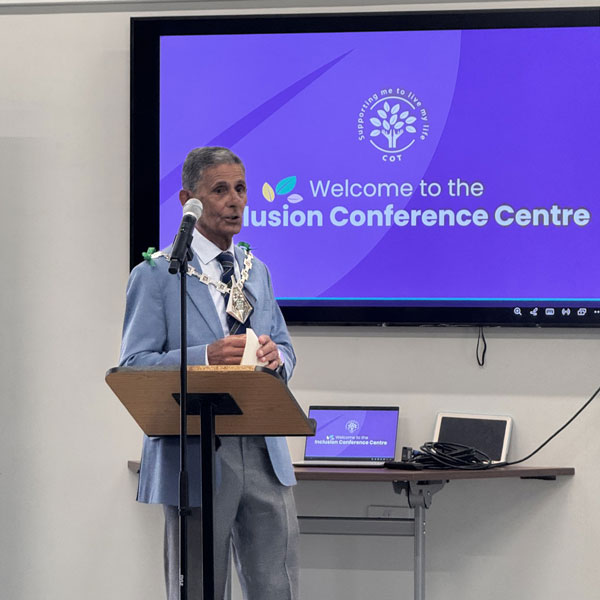
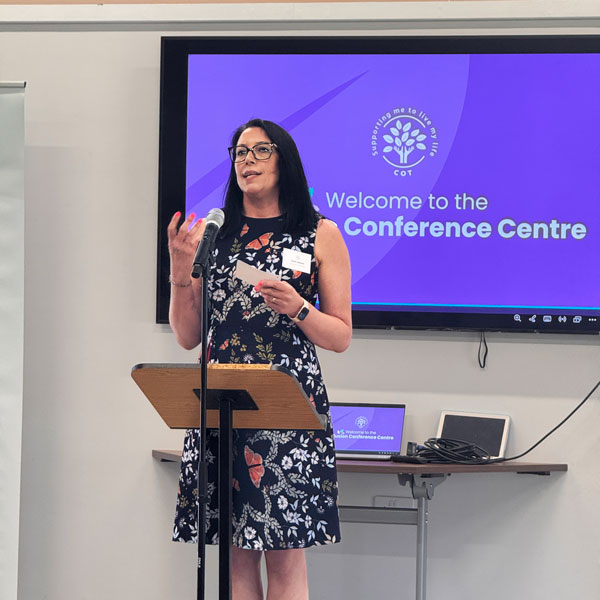
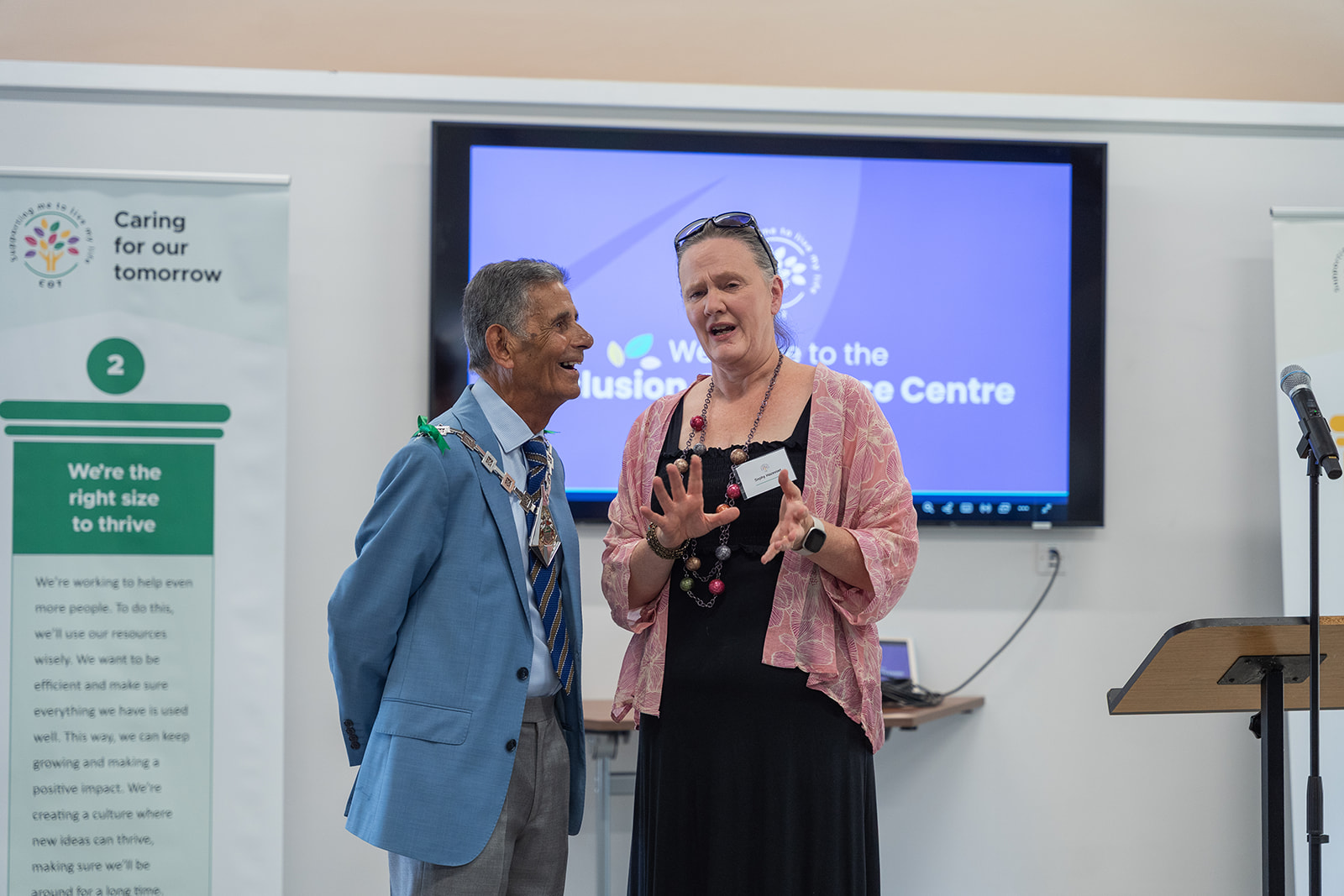
Sarah Edwards, CEO, said the centre would help break down barriers and create opportunities for people who may never previously have had the chance to earn a real wage.
“Every booking creates opportunity. You’re not simply hiring a room. You’re investing in an inclusive workforce and helping people realise their potential.”
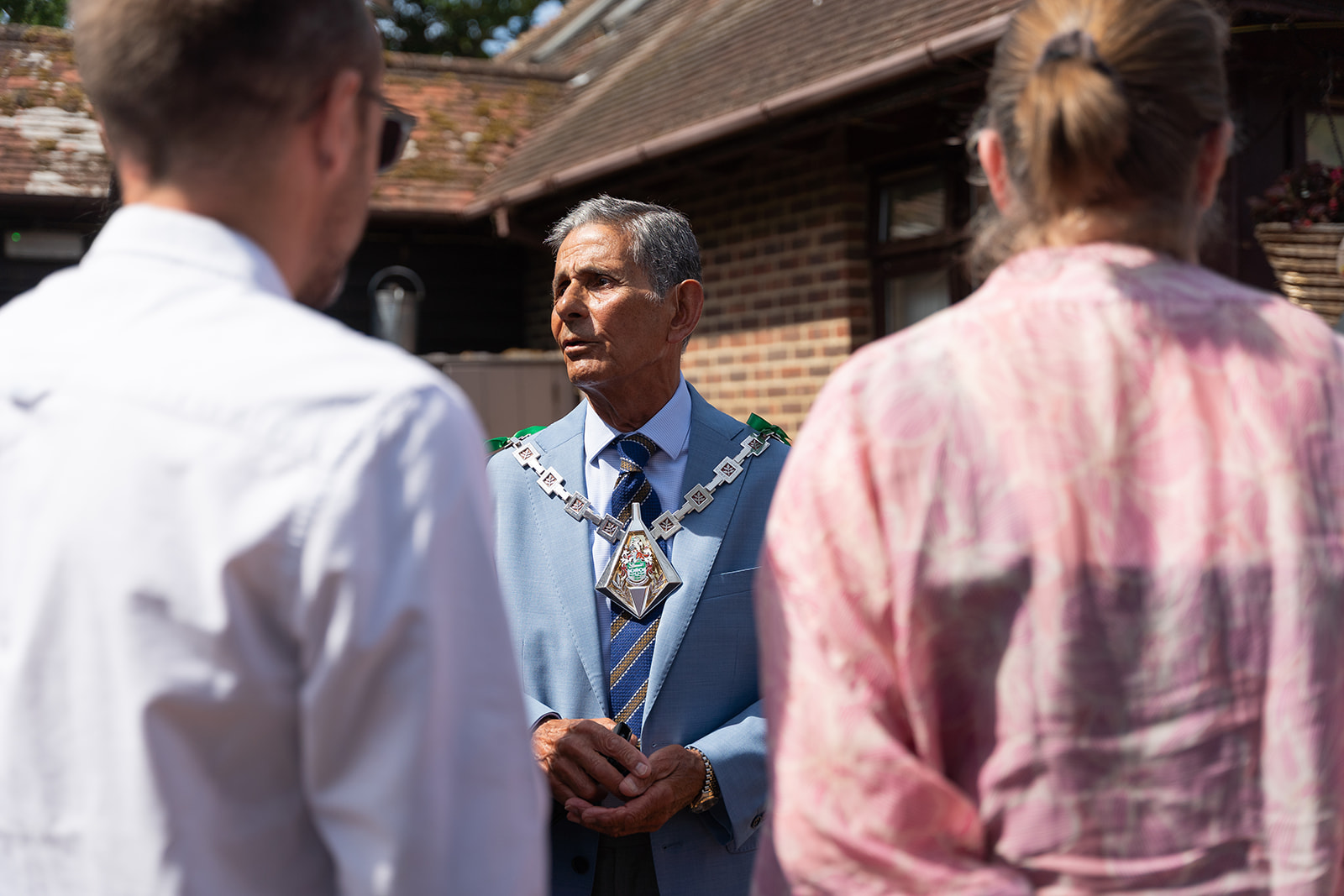
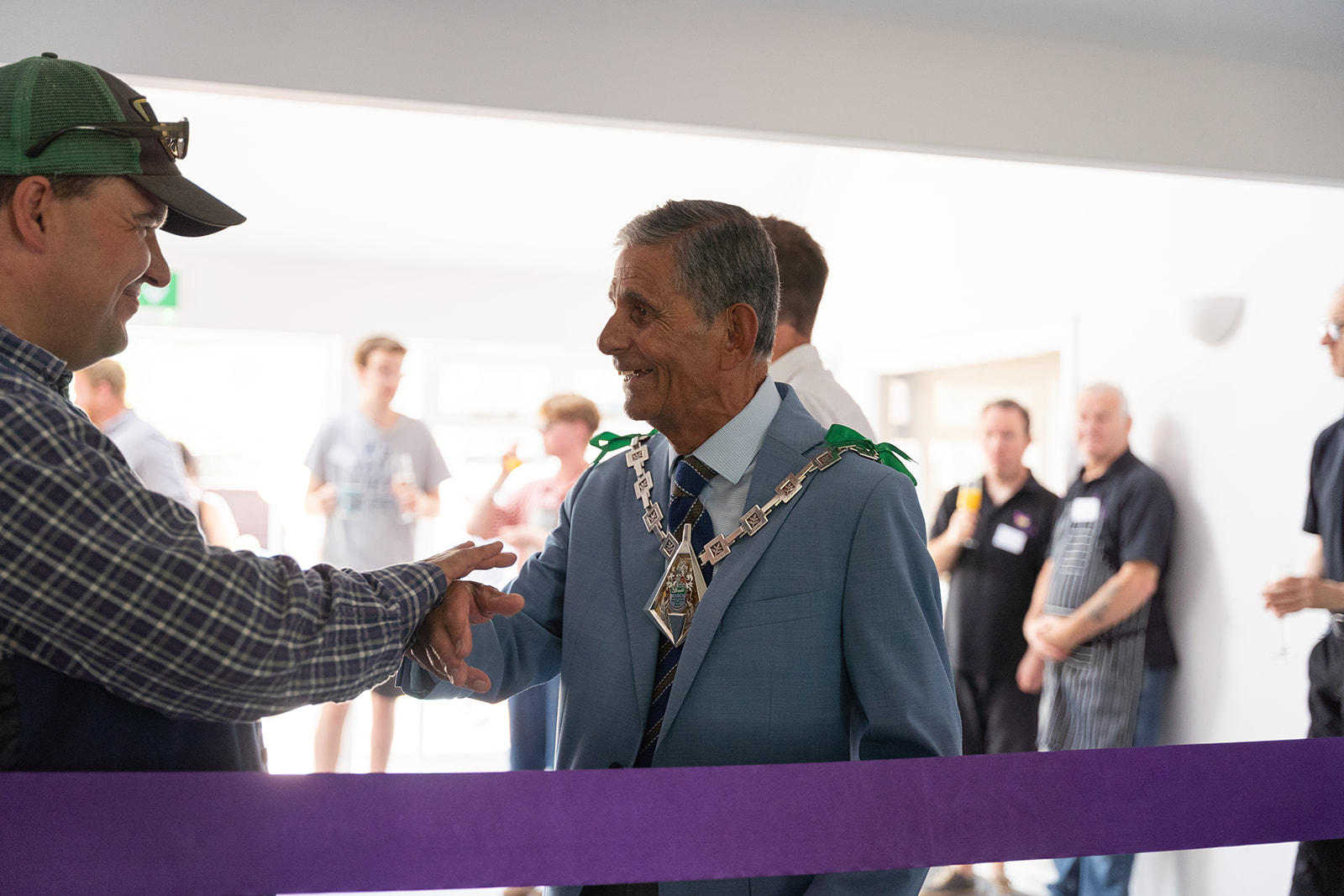
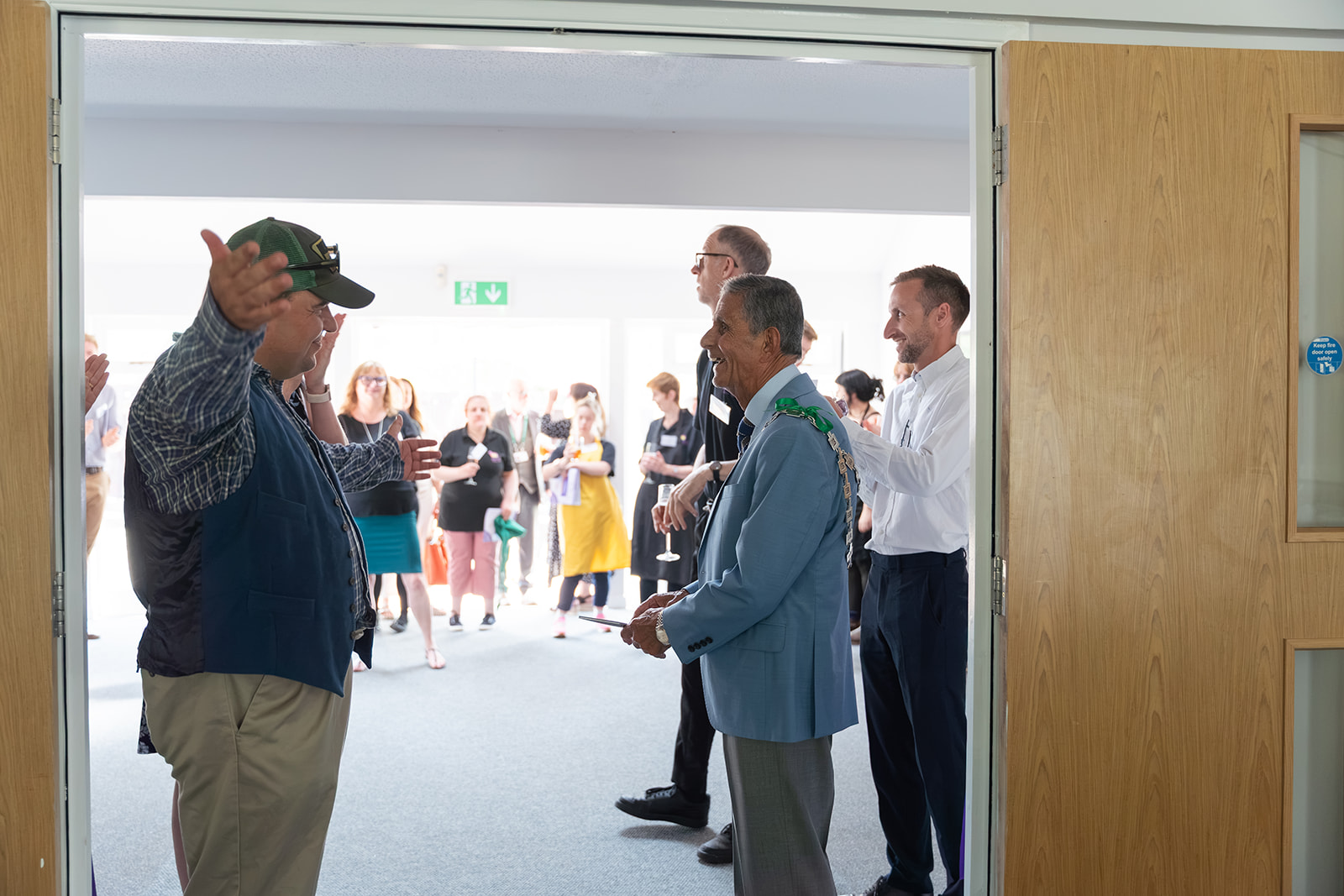
The centre was officially opened by service-user Thomas and Councillor Winston Michael, Mayor of Ashford, who praised the project and its wider benefit to the local community.
A huge thank you to everyone who helped bring this project to life, including funders, donors, supporters, trustees, staff and students. Their commitment has helped turn an ambitious idea into a practical opportunity for people to build confidence, develop workplace skills and take steps towards paid employment.
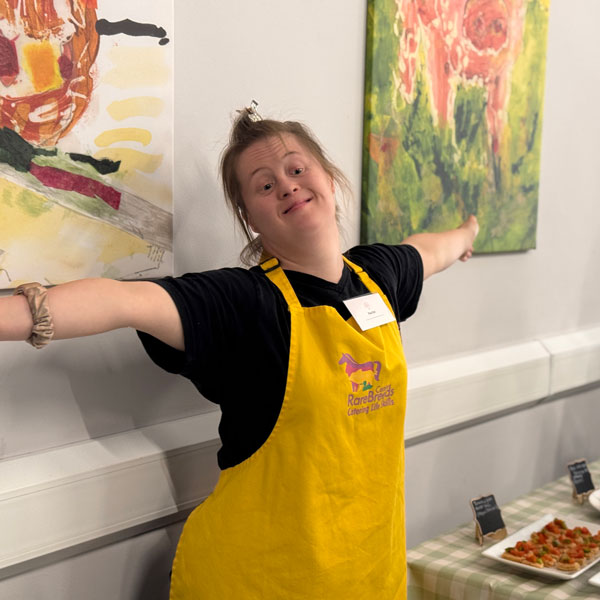
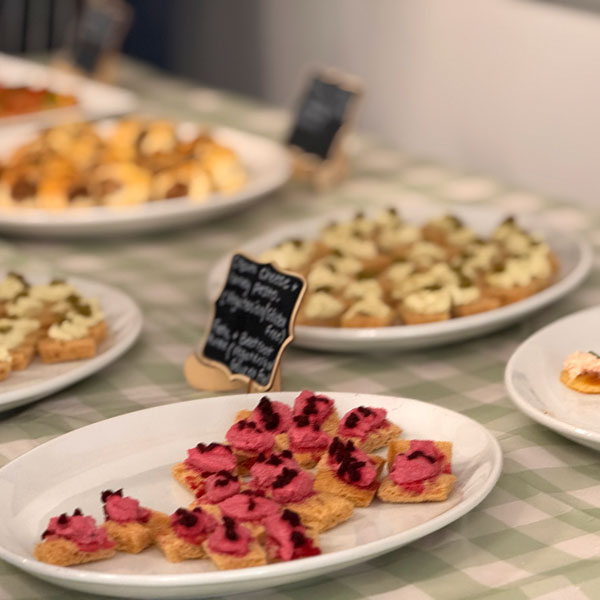
Inclusion Conference Centre opening highlights video
Learn more about the Inclusion Conference Centre
You can find out more about our Inclusion Conference Centre or make an enquiry about a booking for your meeting, event or training by clicking the buttons below.
World Enviroment Day 2026
World Environment Day is a great opportunity to share an update on the conservation work at the Rare Breeds Centre, where we’re continuing to strengthen and enhance the wide range of habitats and biodiversity across the site. Summer often feels like it should offer a chance to pause and reflect after the intensity of winter woodland work—but in reality, it quickly brings its own busy rhythm.
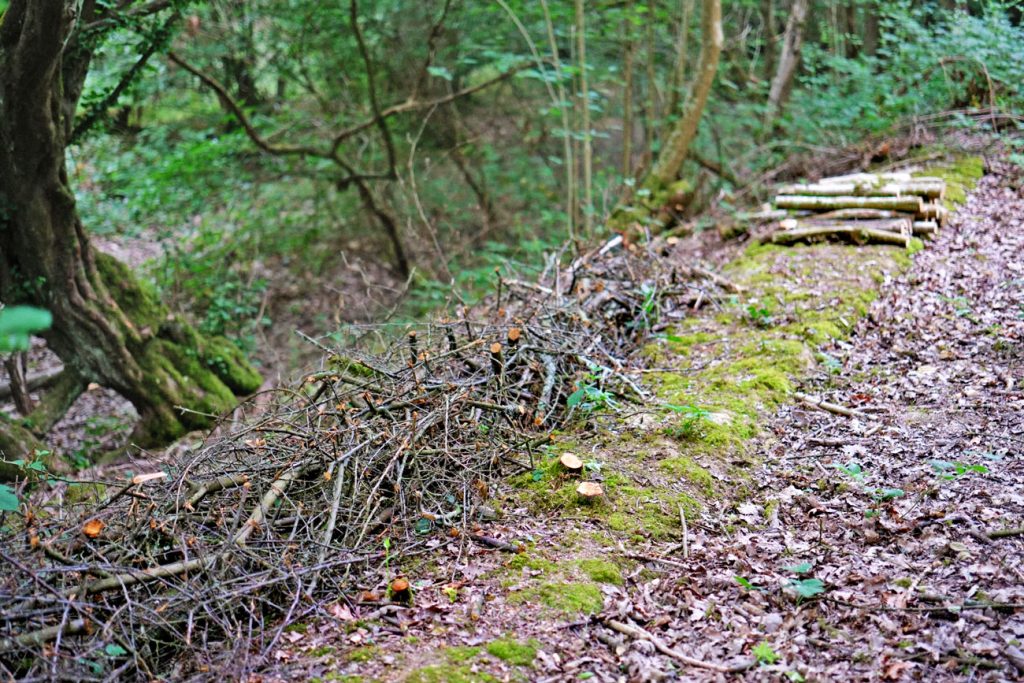
One of our biggest projects is the new 10-year woodland management plan, which is nearing submission to the Forestry Commission. Once approved, this will allow us to begin important coppicing and thinning work, helping to secure a healthy, resilient woodland for the future. In the meantime, we’ve already begun maintaining paths and rides, clearing small sections of fallen and dead trees. You may have noticed some of the small dead hedges we make along woodland paths as a means to organise the arisings (small logs and branches, to you and me) from this work. These hedges will slowly decay, releasing their carbon over a long period of time, and provide homes for all manner of bugs and creepy crawlies along the way. Birds love to make their nests in them, too. With bird nesting season underway, work is necessarily careful and limited, but these early steps will allow us to move quickly when full operations begin this winter.
When that work does get underway, please don’t be alarmed. Tree felling, when done correctly, is essential for woodland health. Without intervention, certain species can dominate, leading to reduced biodiversity. Managed work ensures a more balanced and diverse environment. If you notice areas that have been cleared, it’s worth revisiting them the following summer—you’ll often see a remarkable burst of new growth and a wider range of species emerging.
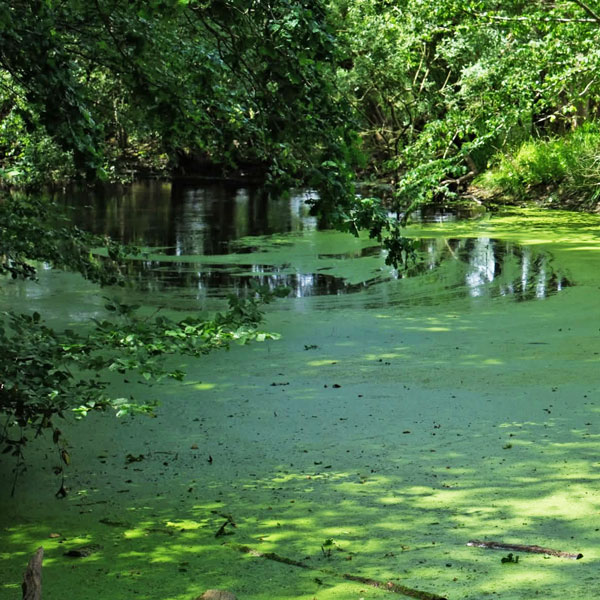
We’re also making progress on plans for pond restoration this winter, following a recent visit with the Kentish Stour Countryside Partnership. For now, smaller maintenance tasks are ongoing, like removing dead wood and branches from the pond edges, and during this work we ponder our thoughts and plan for the bigger tasks ahead. The top pond in Tinkers Wood, for example, is currently covered in duckweed—a sign of low oxygen levels caused by a build-up of organic matter, reduced sunlight, and limited plant diversity. Whereas there’s very little we can do about that in the short term, by selectively thinning the surrounding trees and removing some of the accumulated silt and leaf matter this winter, we’ll improve conditions and encourage a more balanced and thriving pond ecosystem in the coming years.

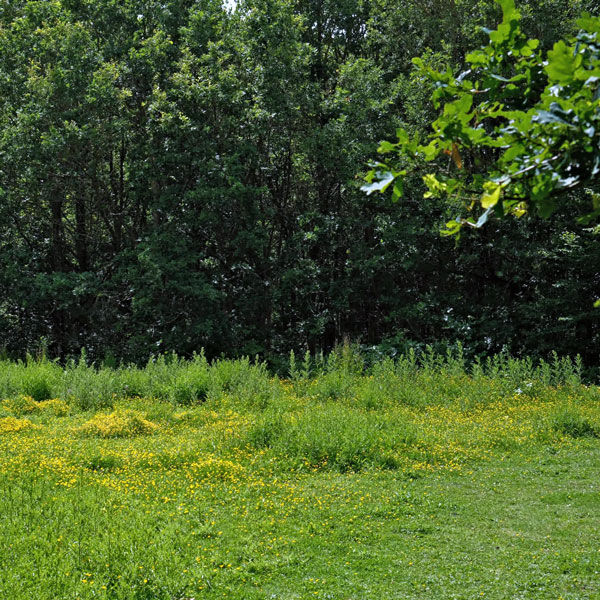
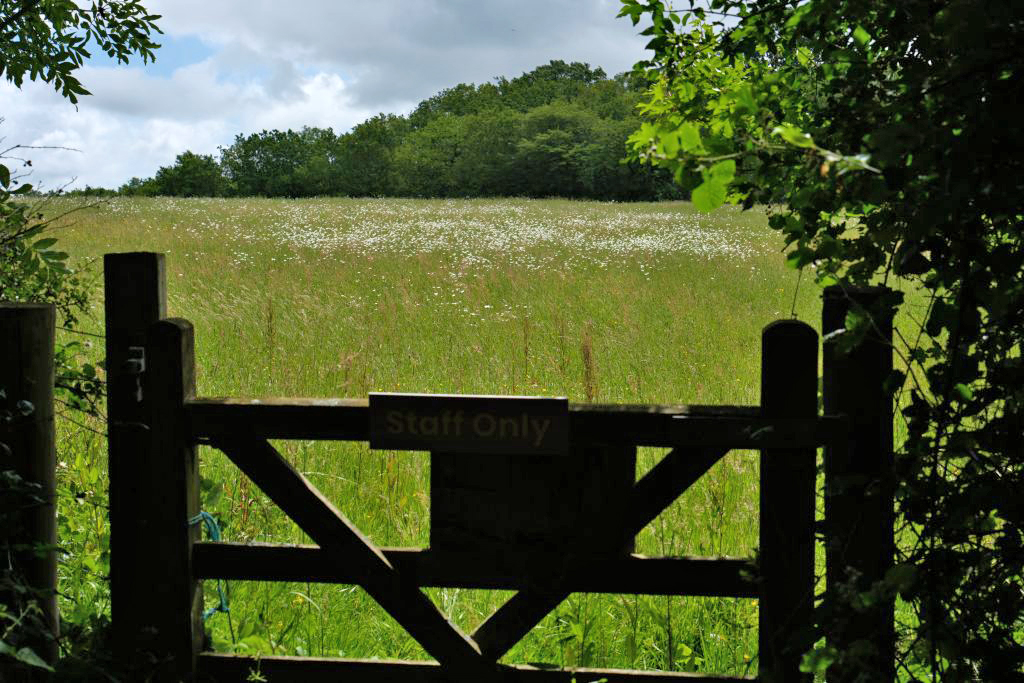
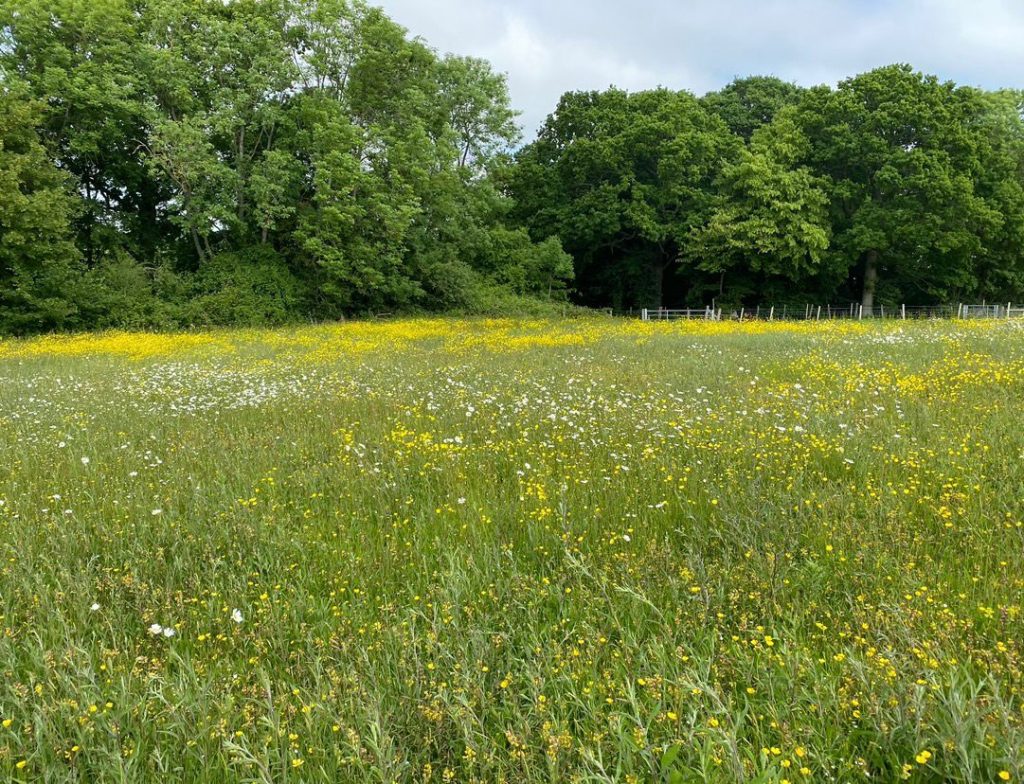
In Parsley Meadow, a new gate will soon reopen access, allowing visitors to once again walk through and enjoy the wildflowers, which are now coming into full bloom. As this is my first full summer managing the meadow, the current approach is to observe how it develops following light grazing introduced for a short time last autumn. Already, species such as oxeye daisies, bird’s-foot trefoil, and buttercups are flourishing, but that’s just the tip of the iceberg. Watching how the meadow evolves through the season will help shape a longer-term management plan that supports a rich and varied habitat for insects, birds, and other wildlife.
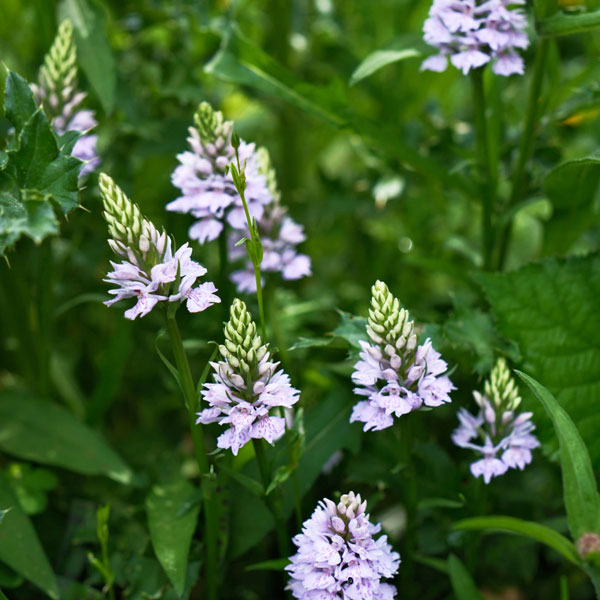
Finally, you may have noticed that some of the litter bins in the woods have been removed. While it might seem counterintuitive, this helps reduce litter, as bins in natural areas are often disturbed by animals, spreading rubbish into the surrounding environment. So far, the results have been very positive, with noticeably less litter in the woodland. It also makes for a much nicer experience; after all, it’s far better to focus on the common spotted orchids you may spot in the woods than a little bin, wouldn’t you agree? You can help us continue this positive change by taking any rubbish home with you and encouraging others to do the same.
Thank you, as always, for your support in helping us care for and protect this special place. Find out more about our conservations efforts. There are also opportunities to volunteer if you’d like to help!
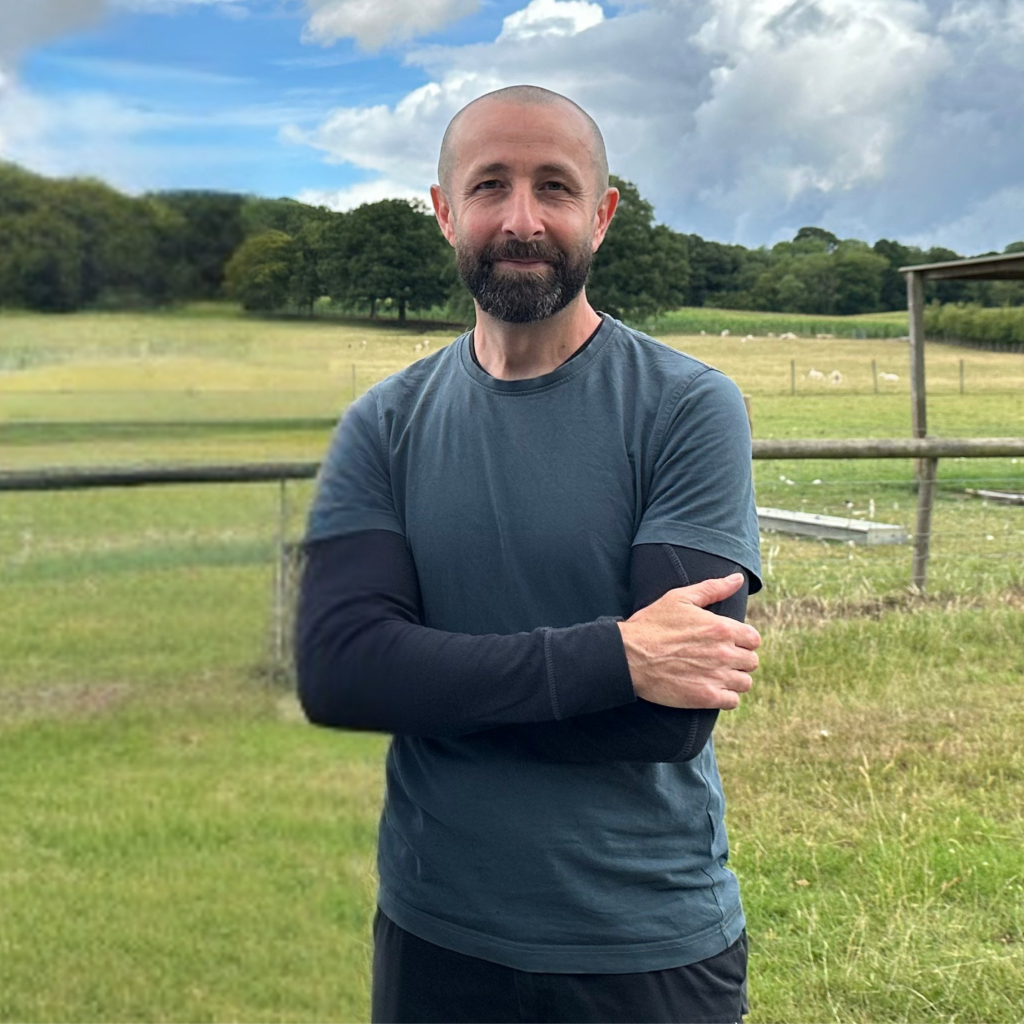
By Mark Langridge – Conservation and Enviroment Officer
Earth Day: What we’ve done so far
This Earth Day, we reflect on a year of meaningful progress, as Canterbury Oast Trust has taken important, practical steps to turn sustainability ambition into action.
We have begun strengthening our environmental governance, ensuring that responsibility for sustainability and carbon reduction is embedded within leadership decision‑making rather than treated as a standalone initiative. This has given us clearer oversight of where our impacts sit across operations, estates, and the supply chain.
We have also made progress in understanding and measuring our environmental footprint, developing a more structured approach to gathering greenhouse gas emissions data across Scopes 1, 2 and 3. While this is an evolving process, it provides the foundations needed to set meaningful targets and track progress over time.
Across our estates and operations, we are taking practical, evidence‑based steps to reduce energy use and improve efficiency. Reviewing how buildings are managed, how utilities are procured, and where smarter operational choices can reduce waste and emissions while supporting financial sustainability.
Importantly, sustainability is now being considered alongside commercial, operational and social outcomes. Environmental responsibility is increasingly factored into planning conversations, whether that’s estate investment, supplier relationships, or longer‑term business planning, ensuring that decisions made today remain resilient and responsible in the future.
Howard Clark, Director of Commercial Operations said “This work is ongoing, and there is still more to do. But these early actions represent a clear shift from intention to delivery and provide a solid platform as we work towards a 50% reduction in emissions by 2030 and Net Zero no later than 2050.”
Why not take part in No-Mow May this year?
At this time of year, Parsley Meadow at Rare Breeds Centre begins to offer a glimpse of what nature can achieve when we simply step back. Its swaying grasses, flowering patches, and quiet hum of pollinators are a prime example of “less is more”. Want to join in? You can, by taking part in No-Mow May. By pausing our mowers and allowing wild plants to thrive, we create vital habitat for bees, butterflies, and countless other species that depend on early‑season blooms. Parsley Meadow demonstrates that when we let nature lead, biodiversity returns, resilience grows, and our landscapes become richer for everyone.
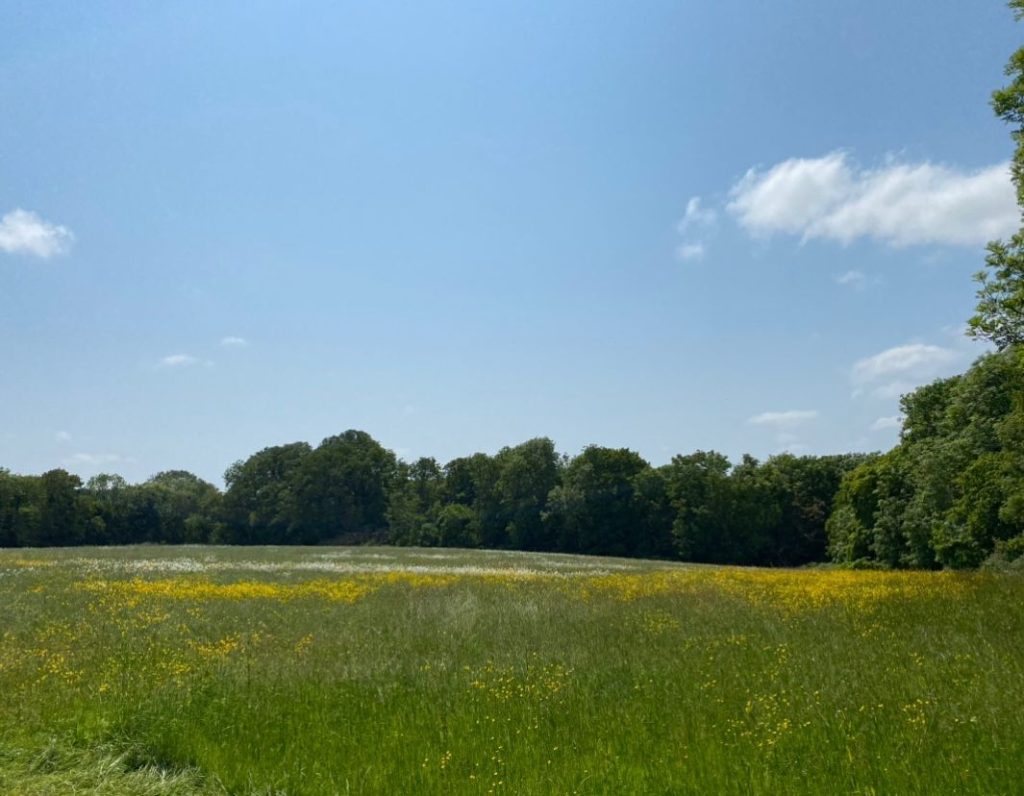
Letting nature breathe: Why No‑Mow May is worth a try
As soon as spring arrives, most of us feel that familiar twitch to get the lawnmower out and tidy things up. But what if, just for one month, we held off a bit? What if we let the grass grow, let the flowers appear, and actually enjoyed a little natural freedom in the garden?
That’s what No‑Mow May is all about — a simple pause that gives bees, butterflies, and all sorts of tiny garden visitors a much‑needed boost after winter.
It’s a small change with a big impact
Skipping the mow for a few weeks might feel a bit rebellious, especially if you’re used to keeping things neat and tidy. But here’s the thing: those “weeds” that pop up — clover, daisies, dandelions — are basically a five‑star buffet for pollinators just waking up after the colder months.
You’re not ignoring your garden.
You’re helping it help wildlife.
And it honestly feels good to know that doing less can do so much more for the creatures that keep our ecosystems ticking.
Rewilding doesn’t mean letting Eeverything go wild
A common worry is that skipping the mow will leave your garden looking messy. But it doesn’t have to! If you approach it with a tiny bit of intention, a wilder lawn can still look cared‑for — even stylish.
A couple of simple tricks can make a world of difference:
- Keep a clean edge trim around paths or borders
- Put a small sign or marker saying you’re taking part in No‑Mow May
- Let one section grow, not the whole lawn
- Mow paths through the long grass to make it look purposeful
When you do these things, it stops looking like neglect and starts looking like a deliberate choice — which it is. A “managed messy” garden can actually look really charming.
A chance to slow down and notice more
One lovely thing about No‑Mow May is how it changes the way you interact with your garden. You start noticing things — tiny beetles, hoverflies, bees drifting from flower to flower, new birds popping in to check out the buffet.
When the lawn isn’t a perfectly trimmed carpet, it becomes a stage for all sorts of little wonders.
Why not keep a small wild corner all year?
If you find the wild look surprisingly beautiful in May, consider keeping a small patch like that all year round.
It doesn’t have to be huge — even a little corner behind the shed or a strip by the fence can become a permanent safe space for insects and other wildlife. It’s amazing how much life can fit into such a small area.
And because it’s just one patch, with tidy edges or paths around it, it still looks intentional — like you’re balancing order and nature, which is exactly what you’re doing.
Your garden, your choice — and your legacy
Taking part in No‑Mow May is a gentle way of saying:
“I want my garden to make a difference.”
It’s incredible how one small month-long decision can create space for so much life — and how good it feels to be part of that.
And when may ends…
You can mow again if you want. Or keep a wild patch. Or plant a few more pollinator‑friendly flowers. No‑Mow May isn’t a rulebook — it’s more like a friendly suggestion.
A reminder that sometimes the best thing we can do is simply step back… and let nature do her thing.
To find out more about our conservation work at the Rare Breeds Centre and Poulton Wood, click the button below.
Ticket price Increase: 1st April 2026
Why prices are increasing
From 1st April, we will be introducing some changes to our ticket pricing. Due to the continuing impact of rising operational farm costs, we are introducing a small increase to the price of day tickets and annual memberships. In addition, with the introduction of more events aimed at younger visitors, children over 2 years will now require a paid child ticket. Under 2s and carers will continue to visit the farm free of charge.
We have tried to keep these increases to an absolute minimum, but as a charity, they are necessary to allow us to continue the important work we do in supporting adults with learning disabilities and autism. It will also allow us to invest in improvements and new experiences across the farm, so we can offer the best possible day out for families.
In addition, to help manage our rising costs, we’re also switching to cashless payments across the farm from 1st May.
Book before 1st April to save
Day tickets and annual memberships pre-booked before 1st April for visits taking place after this date will be honoured at the current prices. So now is a great time to pre-book if you’re planning on visiting or renewing your membership which are avaliable to purchase here.
Farm improvements
Some of the recent investments we have made at the farm are: improvements to our pig racing track, increased tractor-trailer rides during the week, new messy play sessions on Fridays, the introduction of Costa Coffee at the Granary Restaurant, and the introduction of birthday parties at the farm. We have exciting plans for further investments, additions and improvements in the coming year (with more details to be announced soon, so stay tuned.)
Each and every visit and membership purchase directly supports our charity, COT, and we greatly appreciate everyone’s continued support. We look forward to welcoming you back to the farm again soon.
See our new prices here:
Day ticket |
Price |
|---|---|
| Adult (16+) | £18.50 |
| Child (2-15) | £15.75 |
| Senior (60+) | £15.75 |
| Family (2 adults & 2 children or 1 adult & 3 children) | £57.75 |
| Under 2's | Free of charge |
Annual memberships |
Price |
|---|---|
| Adult Individual | £56 |
| Child Individual | £48 |
| Family (2 adults & 2 children or 1 adult & 3 children) | £172 |
| Joint | £100 |
| Childminder (Monday to Friday only – 1 adult & 3 children) | £81 |
Group tickets |
Price |
|---|---|
| Adult (16+) | £15.82 |
| Child (2-15) | £13.32 |
| Senior (60+) | £13.32 |
Group rates are for groups of 10 or more paying people (under 2’s are free). Find out more about our group costs and bookings
Don’t Miss the Rare Breeds Centre on Blue Peter!
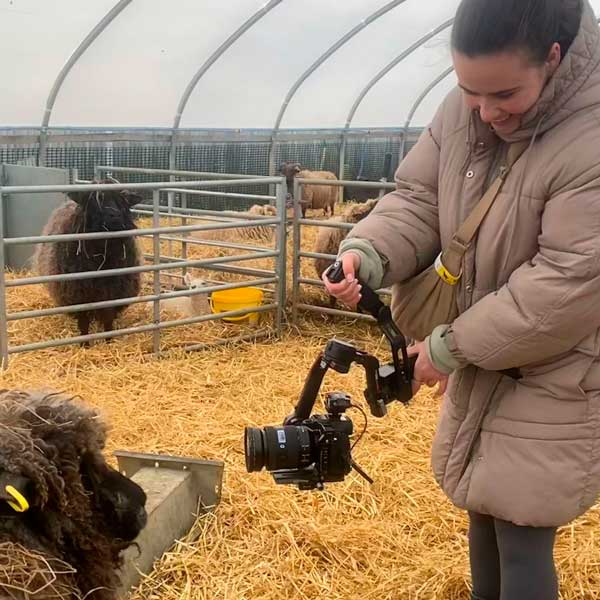
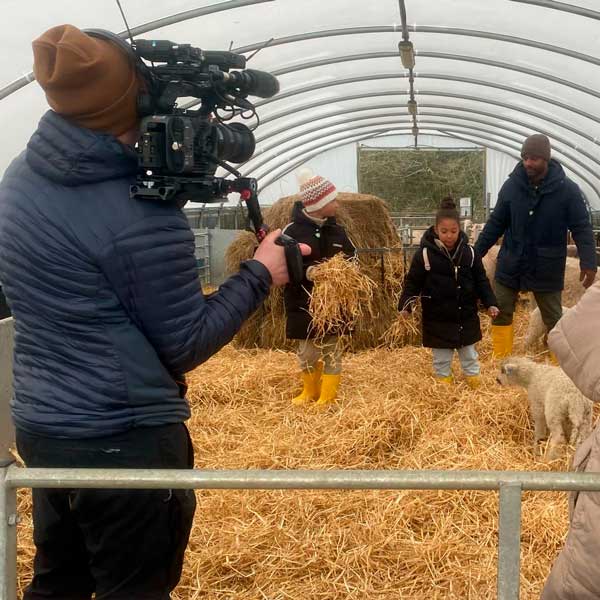
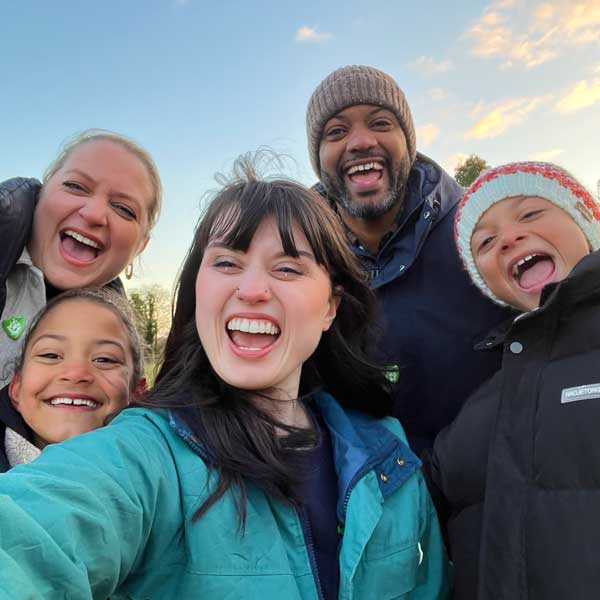
Tune in to Blue Peter on Friday 20th February to see the Rare Breeds Centre in the spotlight! Special guest JB Gill from JLS will be joining us with his family as they try their hand at being farmers on our farm, alongside Blue Peter’s very own Abby Cook!
Catch the episode on CBBC at 5pm, or watch it on iPlayer for up to 30 days afterwards!
You can enjoy some of the same activities enjoyed by Abby, JLS and his family on the farm including taking our wheelchair accessible trailer rides, visiting the Children’s Barn and seeing our lambs and other baby animals! Plus much more!
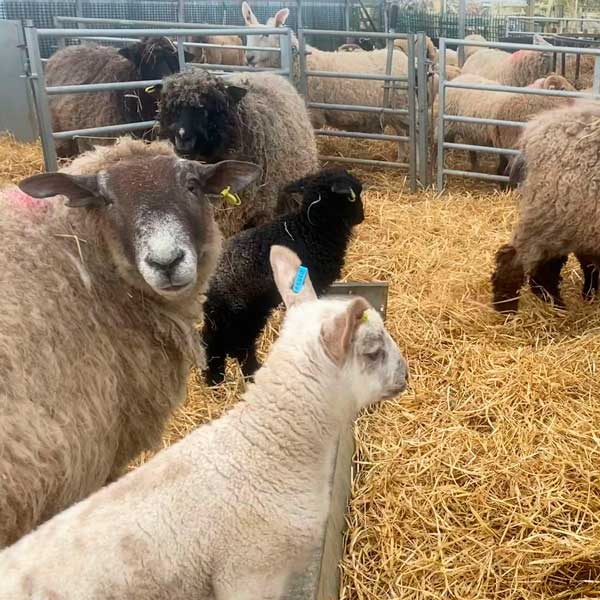
Behind the scenes pictures
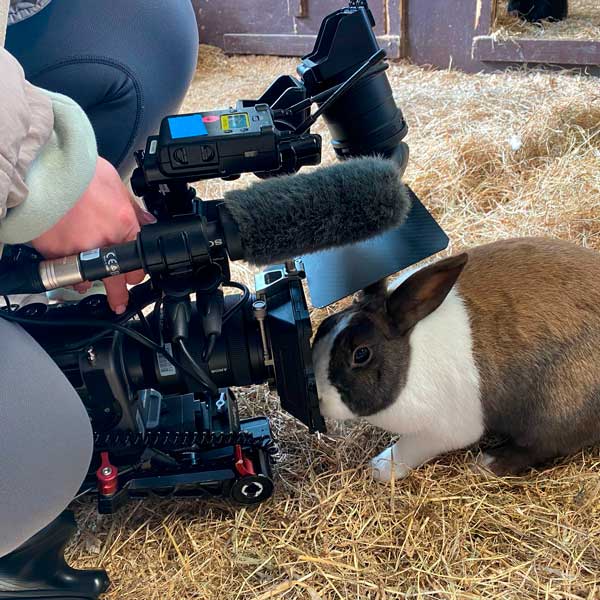
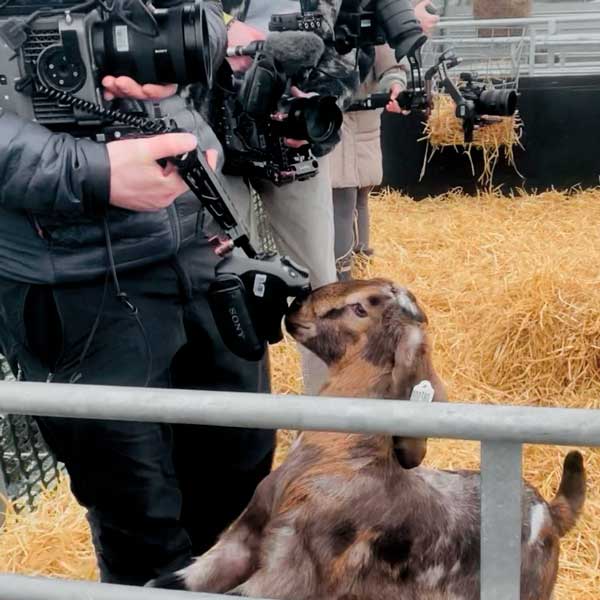
See some photos below of the episode being filmed on the farm. Our animals were very interested in the camera crew 😀
National Apprenticeship Week
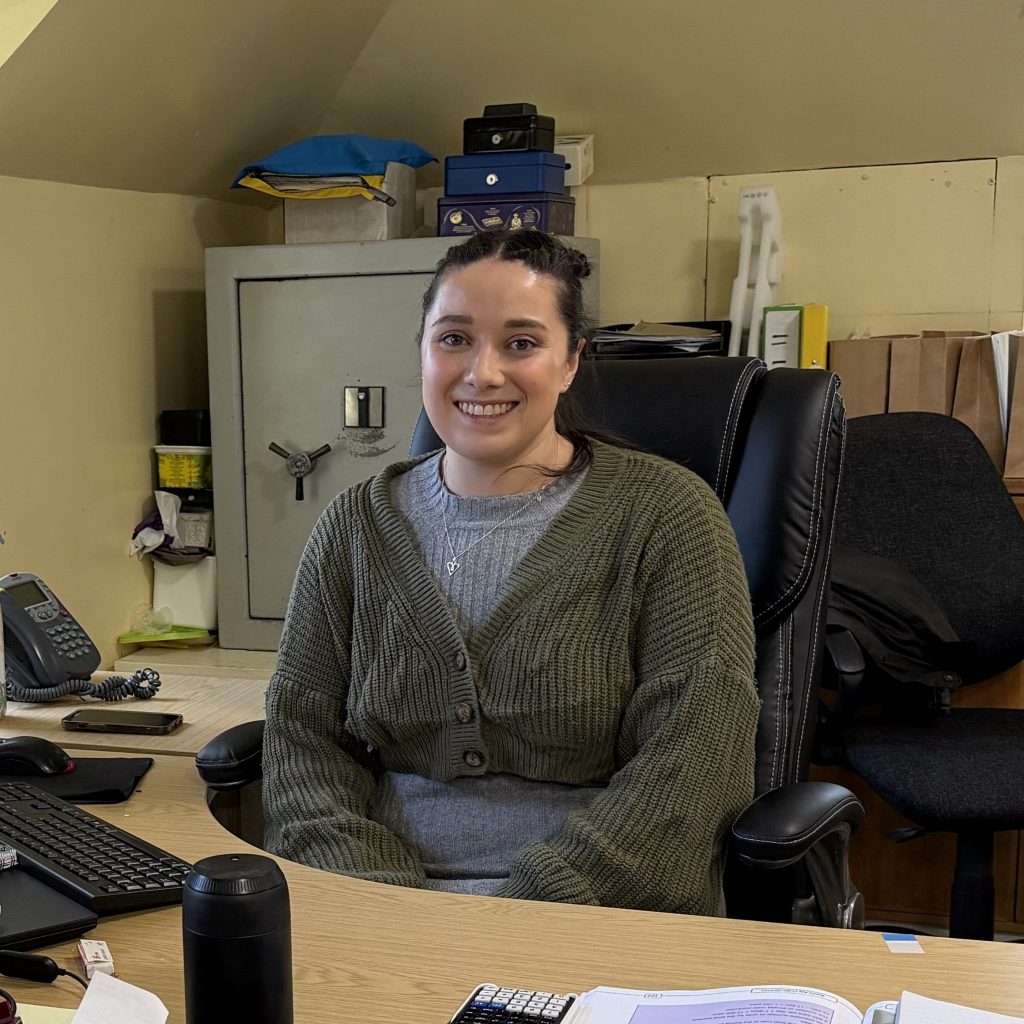
An Interview with Katrina our Finance Administrator
We are celebrating National Apprenticeship Week here at Canterbury Oast Trust, a week-long celebration that brings together businesses and apprentices across the country to shine a light on the positive impact that apprenticeships make to individuals, businesses and the wider economy.
We have already started the celebrations with a drop in session for our staff to learn more about apprenticeships on Monday and celebrated our managers on Tuesday who take on apprenticeships alongside their busy schedules to keep learning and improving their skills. We will be continuing to celebrate the week on our Facebook and Instagram pages so make sure to check that out! Today, we’re excited to introduce a new apprentice who has recently joined COT. We caught up with her to find out how her journey becoming an apprentice has been going so far.
How did you find the process of becoming an apprentice here at COT?
I found the process of becoming an apprentice at COT to be clear and supportive. Throughout the application and interview stages, my line manager and HR took the time to explain the different options and training providers available to me. Once I was successful, I was given a shortlist of both in-person and online providers with different start dates, which allowed me to choose what suited me best. Everyone I spoke to during the process was friendly, approachable, and happy to help.
How do you feel now you have started?
Since starting my apprenticeship, I feel much more confident. Spending a few weeks working within the finance department before beginning my AAT qualification really helped me settle in. It allowed me to understand my role better and made me feel more comfortable when I started my first online classroom sessions.
What kind of support have you found most helpful since joining?
The support from my line manager and colleagues has been extremely helpful. Knowing that I can ask questions at any time and have things explained clearly has made a big difference. Being surrounded by people with a wide range of experience has helped me learn and develop my understanding much faster.
What skills are you hoping to develop as part of this apprenticeship?
Through this apprenticeship, I hope to build my knowledge of finance and gain a better understanding of financial terminology. I also want to improve my confidence in the workplace, gain practical experience, and develop professional skills that will support me in my future career in finance.
What motivated you to choose an apprenticeship here at COT?
I chose an apprenticeship at COT because it offered the opportunity to learn while working towards a qualification. I was also drawn to the supportive environment and the chance to gain real, hands-on experience while developing both personally and professionally.
Access Action Raffle
For Dignity Action Month, we are launching our Access Action prize raffle to help us make our farm accessible to people with a wide range of disabilities. Many of these accessibility features help to maintain personal dignity for people with complex needs while visiting our farm. By entering our Access Action prize raffle, you could win all of these fantastic prizes while supporting our important plans for inclusion at the Rare Breeds Centre:
Some amazing businesses and individuals have contributed prizes worth over £1000 to help raise funds for our accessibility fundraiser. One lucky winner will win all prizes for these fantastic products and experiences or they can choose to give them as gifts to friends and family:
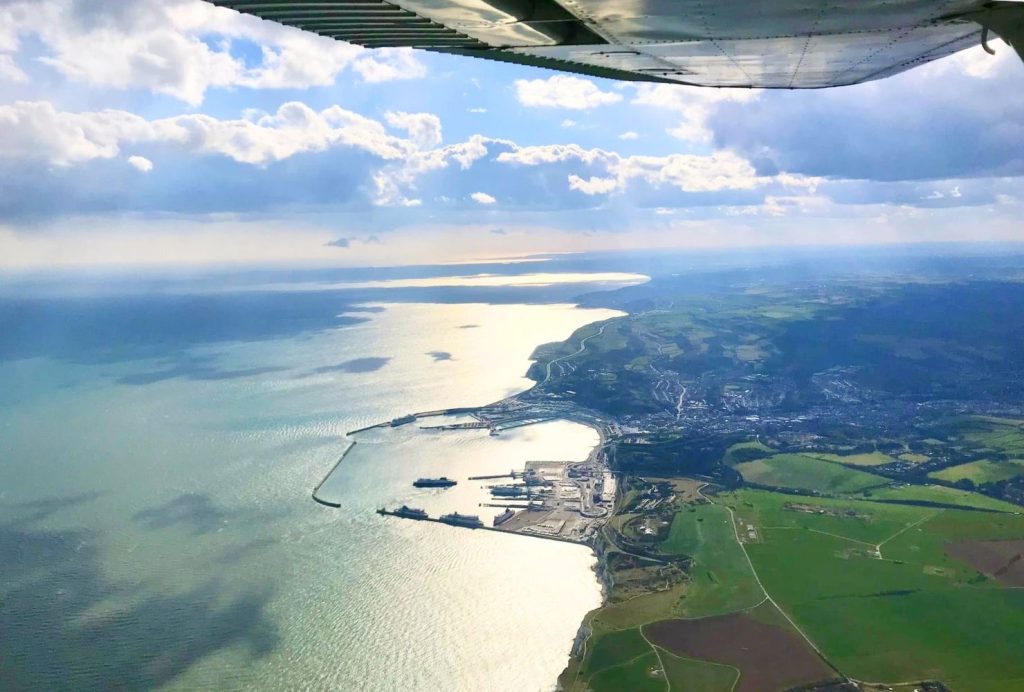
- 45-minute exclusive scenic flight over Kent for up to 2 people
- A beautiful, light-weight fine wool Margo Selby scarf
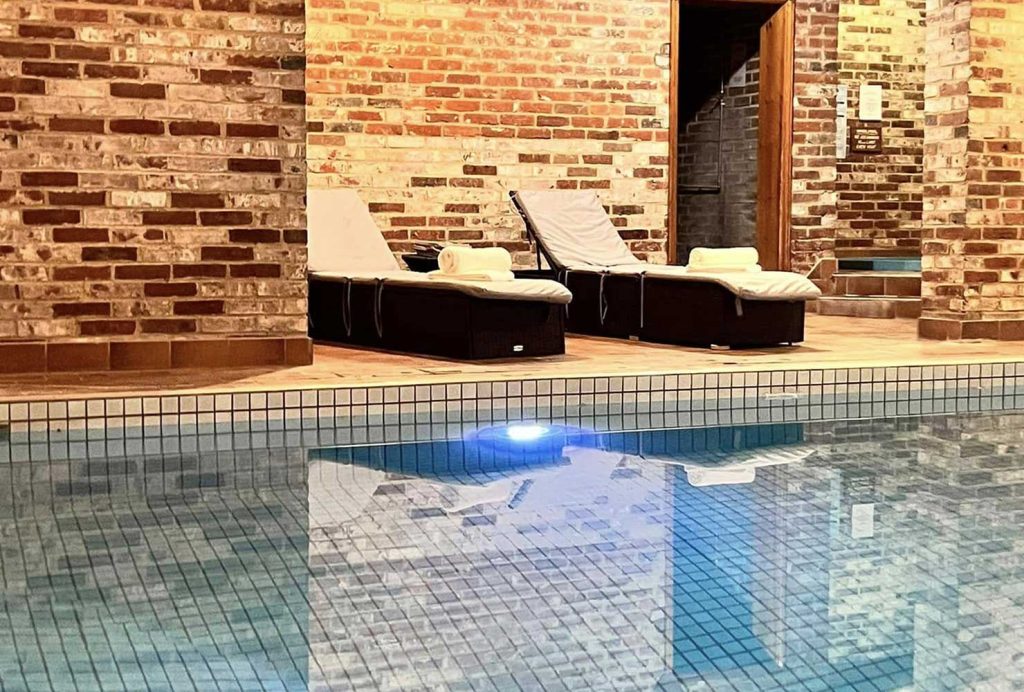
- Flackley Ash Country House Hotel health club day pass for 2
- A £50 meal voucher for the Woolpack inn, Warehorne, a beautiful 16th-century inn near the Rare Breeds Centre.
- Harry Baker (world poetry slam champion) spoken word performance London tickets for 2 plus signed book
- 2 bottles of Greensand Ridge London dry gin from this award-winning distillery in Kent
- 3 cases (36 bottles) of International Wine Challenge wine – a variety of reds
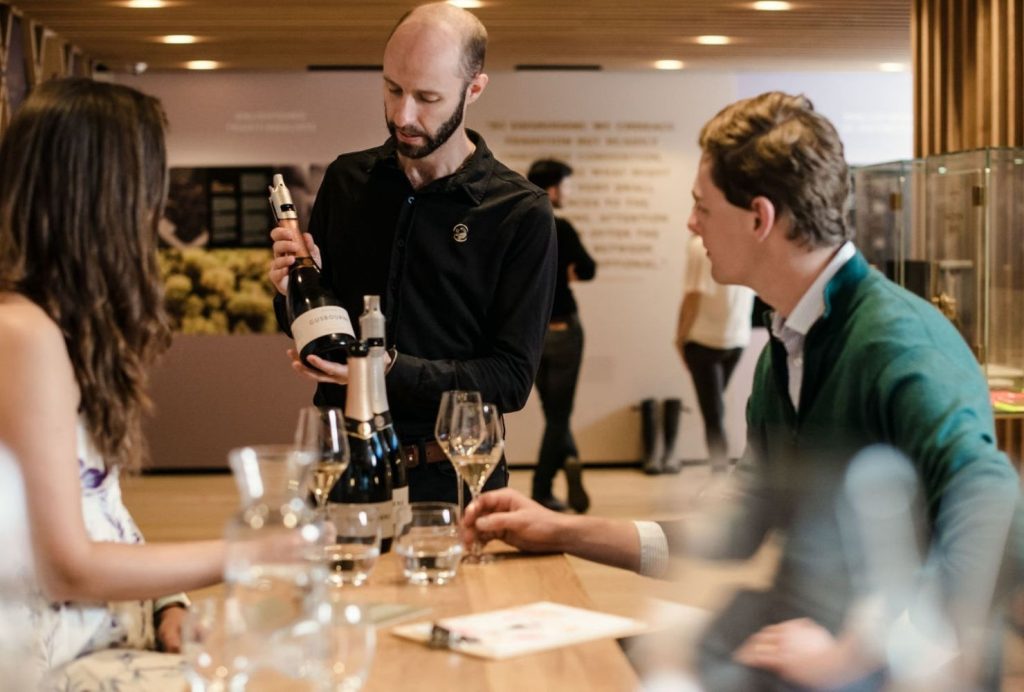
- Sparkling wine flight tasting at Gusbourne Wines – the only three-time winner of the IWSC English Wine Producer of the Year.
- An annual membership to English Heritage.
The raffle starts today and ends on 28th February at 5:00 pm GMT. One winner will be announced on Monday 2nd March and must be able to travel to the Rare Breeds Centre, Highlands Farm, Ashford, Kent TN26 3RJ to pick up their amazing prizes! Please share the raffle with your friends and family to help us
Each ticket is just £4 for all of these amazing prizes!
You can find out more about our accessibility plans on our JustGiving page.






Big savings starting January
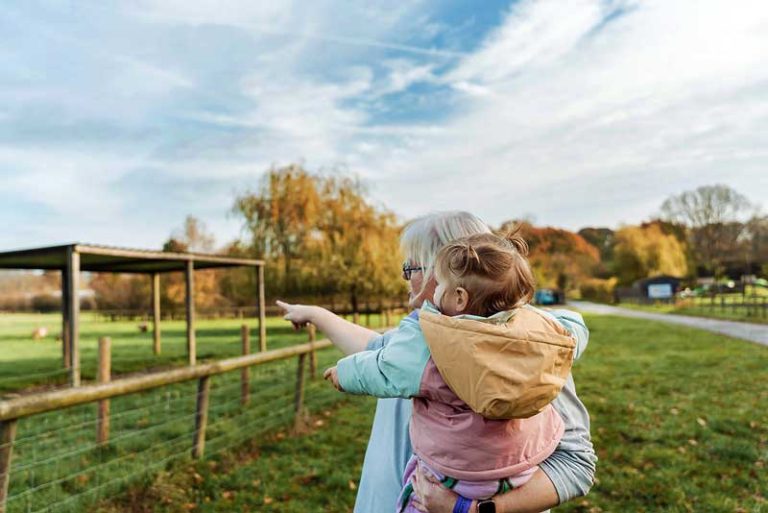
Save this January and beyond at the Rare Breeds Centre! Scroll down to find all the amazing offers waiting for you. Make sure to check out the terms and conditions.
20% off parties!
Get 20% off parties booked by 31st March for any dates in 2026. Discount will automatically be applied – no discount code needed.
Follow the link below to learn more about our party packages.
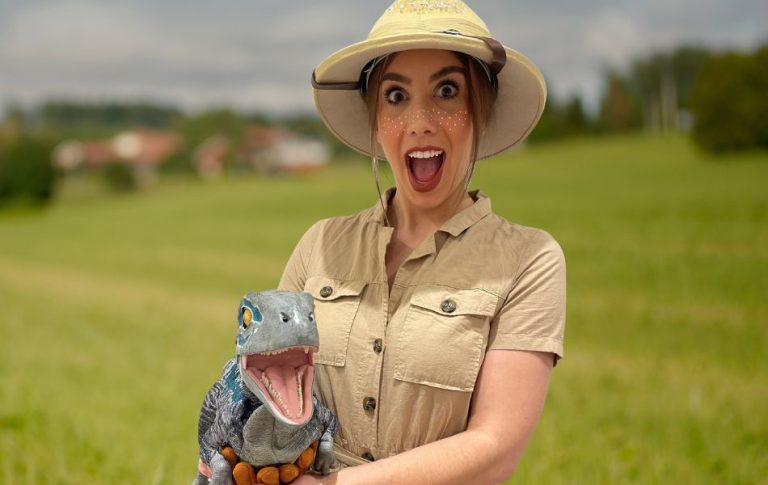
Dino Explorers day
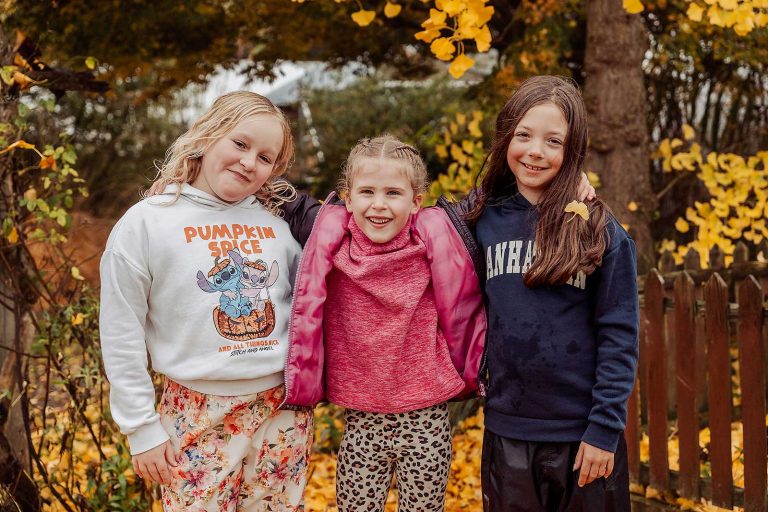
We’re offering discounted tickets for all visitors on Dino Explorers Day, Saturday 17th January. No promo code required, just book a normal day ticket and enjoy the savings!
20% off January day tickets
Enjoy 20% off day tickets every day throughout January. Simply use code JAN26 at checkout to receive the discount.
Valid on online bookings only. Offer excludes tickets for Dino Day on 17th January.
Granary Restaurant offer
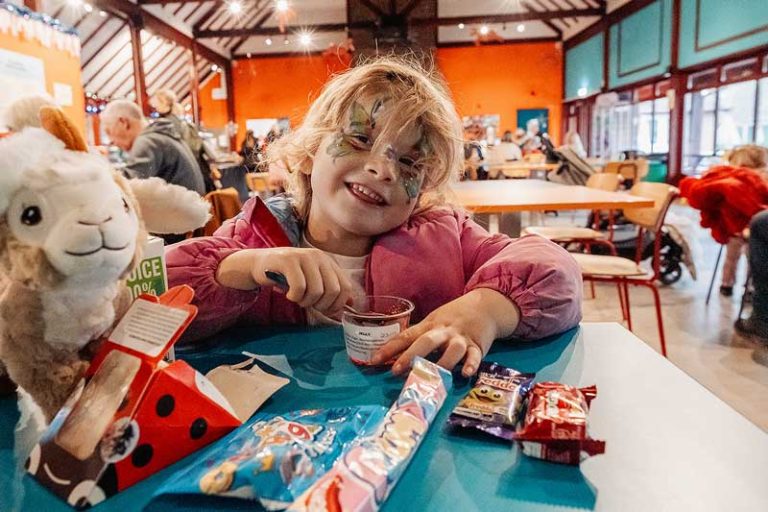
Head to our Granary Restaurant this January and spend £5 or more to get a half price children’s hot or cold meal.
Collect your voucher on arrival at admissions and redeem in our Granary Restaurant.
Only valid on visits Wednesday to Friday for the duration of January 2026.
Terms and conditions apply
- Eligibility – This offer is valid only for tickets purchased within the promotional period. Offer applies to qualifying ticket types as advertised
- How the offer works – The discount is applied at checkout when all eligibility criteria are met. Offers cannot be combined with any other promotion or discount.
- Booking requirements – All tickets must be pre‑booked online. Please bring your booking confirmation (digital or printed) when you arrive.
- Limited availability – Discounts are available for limited quantities and dates only and may be withdrawn at any time without notice.
- Cancellations & refunds – Tickets purchased using this offer are non‑refundable.
- Resale – Tickets obtained through this offer may not be resold under any circumstances.
- Changes to the event – The organiser reserves the right to amend or cancel the event. In the event of cancellation by the organiser, standard refund policies will apply.
- Site rules – All visitors must comply with on‑site rules and instructions from staff. Failure to do so may result in removal from the premises without refund.
- By completing your purchase, you accept these and our standard Terms & Conditions and agree to abide by them.